


RV power: solar, batteries, and generators
What are you trying to run?
Size my system →Top picks
The options we would actually recommend this week.
EMS-PT30X 30 Amp Portable EMS
4500W Electric Start Dual Fuel Inverter with CO Shield (201319)
12V 105Ah Essential Series Bluetooth & Heated LiFePO4 (12105A-H)
EMS-PT50X 50 Amp Portable EMS
Power Watchdog Gen I 50 Amp with EPO
Roughly how many panels?
A quick first pass: your daily watt-hours divided by five honest sun hours, with losses. Slide your daily use.
Daily useQuick comparison
| Provider | Rate | Best for | Score | |
|---|---|---|---|---|
| Progressive Industries | 30A / 1,790 joules / full EMS shutoff | 30-amp rigs that want full EMS protection at the lowest price | 9/10 | View gear |
| Champion | 3,500W rated / 4,500W starting / TT-30R, gasoline or propane | 30A travel trailers that need to start an air conditioner | 8.8/10 | View gear |
| Epoch | 105Ah / heated to -4F | Cold-weather campers who want heating and a long warranty without the Battle Born price | 8.8/10 | View gear |
| Progressive Industries | 50A / 3,580 joules / full EMS shutoff | 50-amp rigs that want EMS shutoff without paying $400 for it | 8.8/10 | View gear |
 Honda Honda | 1,800W rated / 2,200W starting / 48 dBA at quarter load | Campers who want the quietest verified 2200-class unit and will pay for it | 8.7/10 | View gear |
| Hughes Autoformers | 50A / 6,100 joules / shutoff below 104V or above 132V | 50-amp rigs that want the biggest surge absorption and app monitoring | 8.6/10 | View gear |
| Champion | 1,850W rated / 2,500W starting / gasoline or propane | Campers who already carry propane and want the cheapest set-and-forget 2200-class unit | 8.5/10 | View gear |
 LiTime LiTime | 100Ah / 100A BMS | Most people replacing a lead-acid battery on a budget | 8.5/10 | View gear |
| Hughes Autoformers | 30A / 3,000 joules / shutoff below 104V or above 132V | 30-amp rigs that want app monitoring and a surge module you can replace | 8.3/10 | View gear |
 Westinghouse Westinghouse | 1,900W rated / 2,550W starting / TT-30R RV outlet | Budget 30A rigs that want a plug-in-and-go RV outlet | 8.2/10 | View gear |
| Honda | 2,600W rated / 3,200W starting / 54 dBA at quarter load | Small-AC rigs that want Honda quiet without a 100 lb generator | 8/10 | View gear |
| Renogy | 100Ah / 100A BMS | The lowest cost per amp-hour, if you can wait for stock | 7.9/10 | View gear |
| Southwire | 50A / 4,200 joules / shutoff below 102V or above 132V | 50-amp rigs that want the deepest fault detection and a remote display option | 7.7/10 | View gear |
 Battle Born Battle Born | 100Ah / 100A BMS | Buyers who want the longest support relationship and will pay for it | 7.6/10 | View gear |
| Renogy | 400W / 30A PWM | A roof install sized for a fridge and real daily use | 7.6/10 | View gear |
| Southwire | 30A / 2,450 joules / shutoff below 102V or above 132V | 30-amp rigs that want a remote display option instead of walking to the pedestal | 7.6/10 | View gear |
 BougeRV BougeRV | 200W + MPPT + 100Ah battery + 1,000W inverter | Starting from zero and wanting one purchase, not four | 7.4/10 | View gear |
 Generac Generac | 3,000W rated / 3,500W starting / no published dBA | A 30A rig that parks the generator and leaves it, where weight matters less than watts per dollar | 7.4/10 | View gear |
| SOK | 100Ah / 100A BMS | A sealed, Bluetooth-equipped budget battery for mild-climate use | 7.3/10 | View gear |
 Jackery Jackery | 200W folding bifacial | Power station owners who want a portable panel with a real warranty | 7.2/10 | View gear |
 Yamaha Yamaha | 1,800W rated / 2,200W starting / 30A RV outlet | People who specifically want an RV outlet on a 2200-class unit and can find one at a fair price | 7/10 | View gear |
 EcoFlow EcoFlow | 220W front / 175W rear | EcoFlow power station owners who chase sun instead of mounting panels | 6.9/10 | View gear |
| Generac | 2,200W rated / 2,500W starting / no published dBA | Hard to say, and that is the problem | 6.8/10 | View gear |
| Renogy | 200W / 30A PWM | A first roof install on a small rig with modest loads | 6.6/10 | View gear |
 Camco Camco | 50A / 2,100 joules / indication only, no shutoff | A backup dogbone or a rig that never sees sketchy pedestals | 5.7/10 | View gear |
| Camco | 30A / 1,050 joules / indication only, no shutoff | A glovebox backup or a wiring check, not primary protection | 5.5/10 | View gear |
Guides
Get the system right the first time.
Sizing an RV Battery Bank: How Many Amp-Hours You Need
Multiply your daily watt-hours by the days you want without sun, divide by usable depth of discharge, divide by 12. Worked examples for lithium and AGM, plus why a 100Ah rating is not 100Ah.
How Much Solar Do You Need for an RV or Van?
Divide your daily watt-hours by 0.7, then by your peak sun hours. That is your array size. Here is where the missing 30% goes, with panel datasheet numbers, and worked examples at 5, 3, and 2 sun hours.
Lithium vs AGM RV Batteries: The Cold Weather Limit and the Real Numbers
Lithium gives more usable capacity per pound and far more cycles. It also stops accepting a charge in the cold, and the published limit is higher than most people expect. Datasheet figures for both.
How to Build an RV Power Budget in Watt-Hours
Every solar and battery decision runs on one number: watt-hours per day. Here is how to build it, which figures you can look up, which you have to measure, and the load most people forget entirely.
Latest
Latest in rv-power
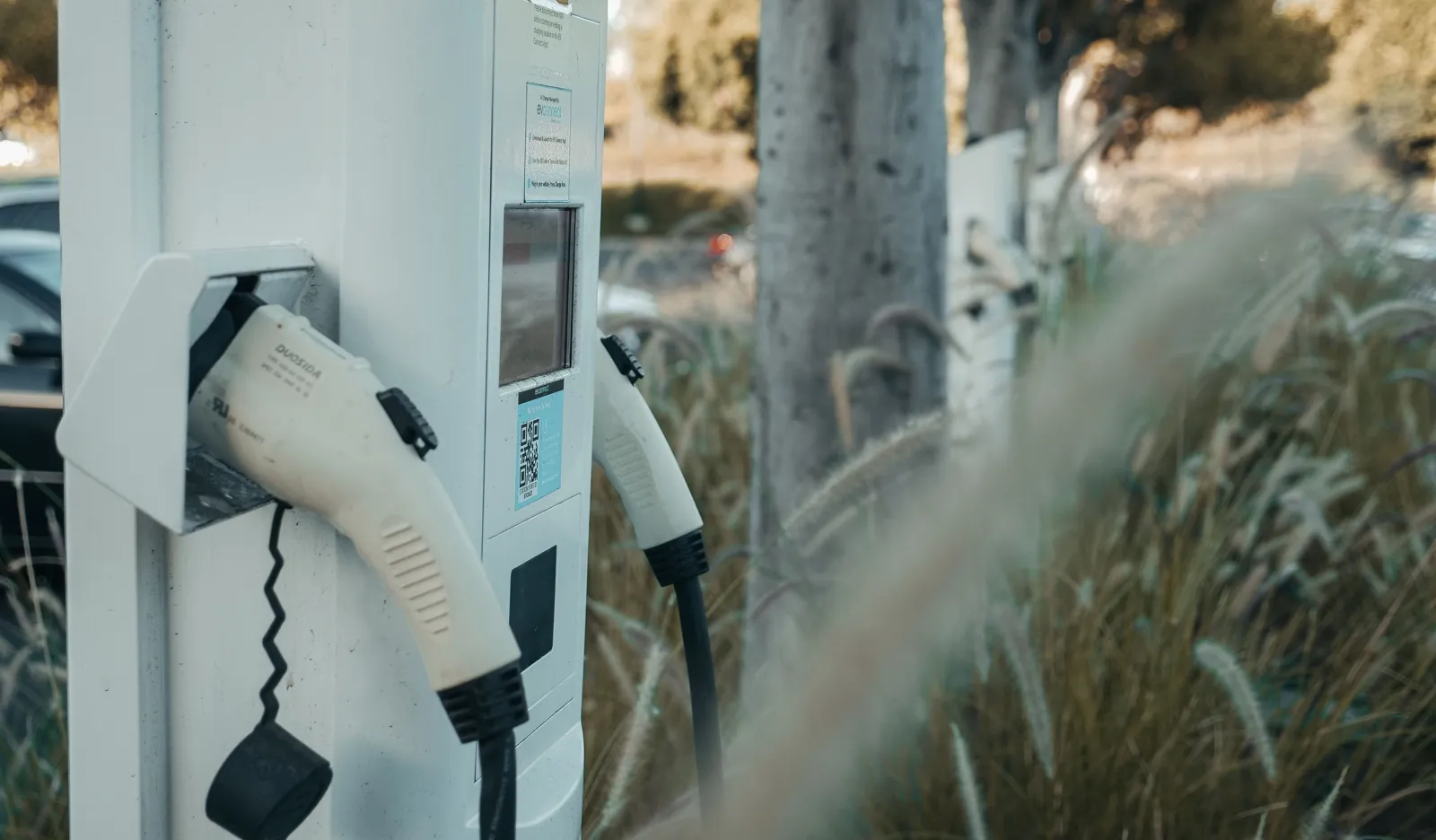
Can you charge an EV at a campground hookup? Nine federal campgrounds answer in writing, and all nine say no
We read the notices on all 5,445 campground listings on Recreation.gov on October 16, 2026. Nine address charging an electric vehicle at the campsite and every one says no or not available. None says yes. Five more point you to a charger somewhere else in the park.
JKMax recalled every heated blanket and pad it sold: 577 overheating reports, 53 burn injuries
CPSC recall 26778, published September 17, 2026, covers about 195,000 JKMax heated blankets and heating pads. The internal heating elements overheat. The remedy is a refund, not a repair, and the model number is on the back of the remote.
Goal Zero recalled the Yeti 3000X, and the remedy is a firmware update you have to install yourself
CPSC and Goal Zero recalled about 46,200 Yeti 3000X power stations on August 20, 2026 after four reports of fire, overheating and smoking. There is nothing to return. The fix only happens if you open the app on Wi-Fi and install it.
RV power questions, answered.
How much solar do I actually need?
It depends entirely on what you run, which is why any number someone gives you at a campfire is useless. The method is fixed: add up the watt-hours you use in a day, divide by the peak sun hours you actually get in the season and place you camp, and add roughly 30% for system losses. A laptop and lights is a very different system from a 12V fridge and a satellite dish running all day. Our calculator does the arithmetic.
What are peak sun hours?
Not daylight hours. A peak sun hour is one hour of full-strength sun, with a day's weaker light converted to that equivalent. Arizona in June is around 6 to 7. The Pacific Northwest in December can be under 2. Size for the worst month you intend to camp in rather than the annual average, or your system works beautifully in July and quits in November.
Is lithium worth it over AGM?
Usually, because rated capacity is not usable capacity. Draining an AGM below about 50% wrecks its life, so a 100Ah AGM realistically gives you 50Ah. Lithium is comfortable down to 20% or lower, so a 100Ah lithium gives you 80Ah or more, and it lasts far more cycles. Price per usable amp-hour, not per rated amp-hour, is the comparison that matters. The catch is cold.
What happens to lithium in the cold?
It stops accepting a charge, and the limit is higher than most people expect. Victron's Lithium Battery Smart technical data allows charging only between +5C and +50C, which is 41F to 122F, while Battle Born puts its limit closer to 25F. The number is battery-specific and 32F is the wrong line to plan around, so read the datasheet for the one you own. Charging below the rated temperature causes permanent damage rather than a temporary problem. Many batteries now include a low-temperature cutoff that refuses the charge to protect the cells, which saves the battery and still leaves you without power on a cold morning. Heated banks solve it properly. This catches out more people heading north or up in elevation than any other single thing.
How big a generator do I need?
Bigger than the running total suggests, because motors surge on startup. An air conditioner that runs at 1,400W can demand 3,000W or more for the instant its compressor kicks in, and a generator that cannot survive that spike trips and everything stops. Size for everything running plus the single largest startup surge, then add headroom. Our generator tool works it through.
Next step
Pick the hardware
Once you know the numbers, the shopping gets easy. Our gear pages rank power stations, panels, and inverters on measured capacity rather than the figure printed on the box.
Compare power gear →