

Full-time RV living: real costs and how it works




What is fuel really costing you?
A big rig at 8 mpg is the single biggest line item on most full-time budgets. Slide your miles per month.
Miles driven per monthGuides
The parts nobody puts on YouTube.
Camping With a Dog: Heat, Leash Rules, and Where Dogs Are Allowed
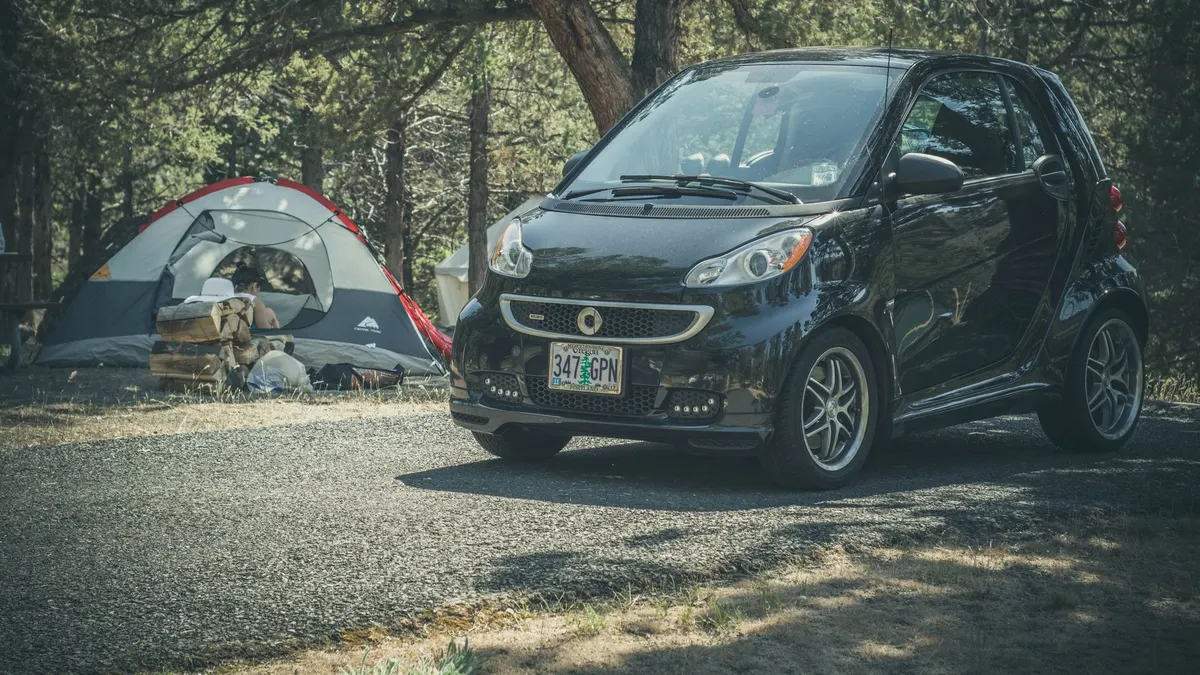
The two things that decide a trip with a dog: a parked vehicle gets lethal fast, and national parks restrict dogs on trails while national forests generally do not. Both cited to the agencies.
Dump Stations and Fresh Water: How to Find Them in Every State
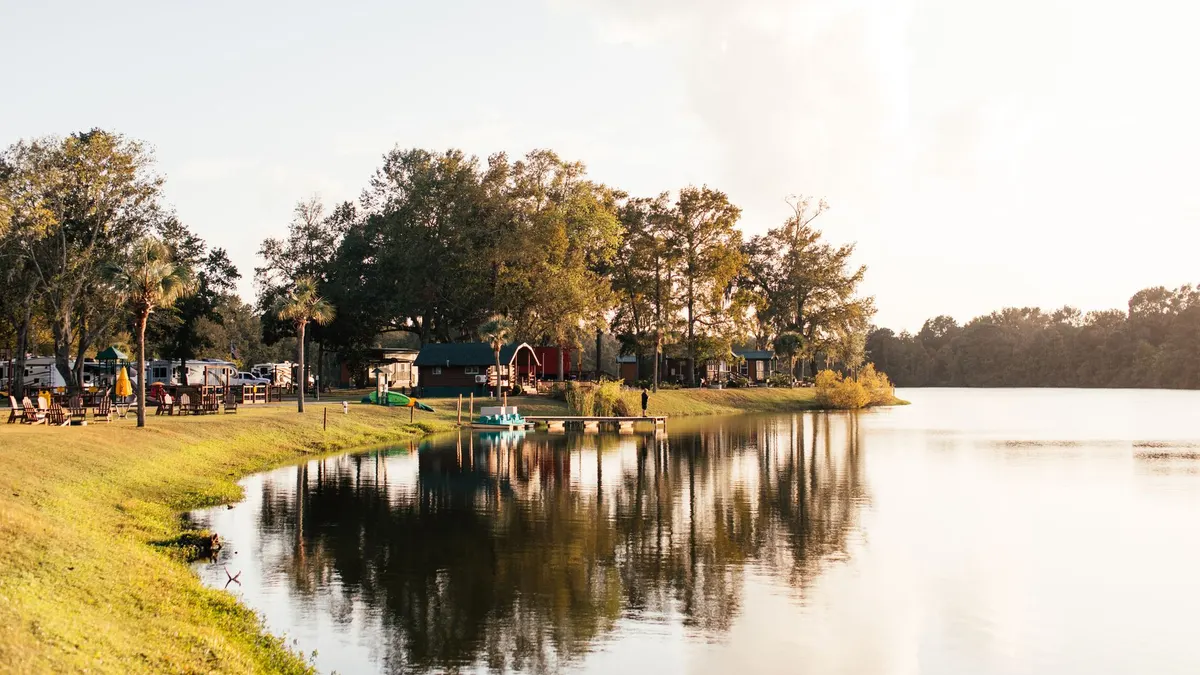
There is no single national directory, so the skill is knowing the handful of places that reliably have them and confirming ahead. Where to dump tanks, where to get potable water, and the etiquette that keeps both open.
RV Domicile: What South Dakota, Texas, and Florida Actually Require
Domicile is the state you legally call home. What each of the three states full-timers commonly use requires for a driver license, vehicle registration, and voter registration, cited to the state's own agencies.
Full-Time RV Living: Real Costs and How It Works
What full-time RV living actually involves: the legal setup you need before you launch, the rhythm of moving every 14 days, what it costs, and the parts that make people quit.
Latest
Latest in rv-living
Campground water is shutting off now, and the date is in the notice, not the amenity list
Only 39 of 5,435 campgrounds on Recreation.gov publish a seasonal water shutoff date. Curecanti turns it off around September 19, Yellowstone's Lewis Lake by September 30, and several sites go free once it is off.
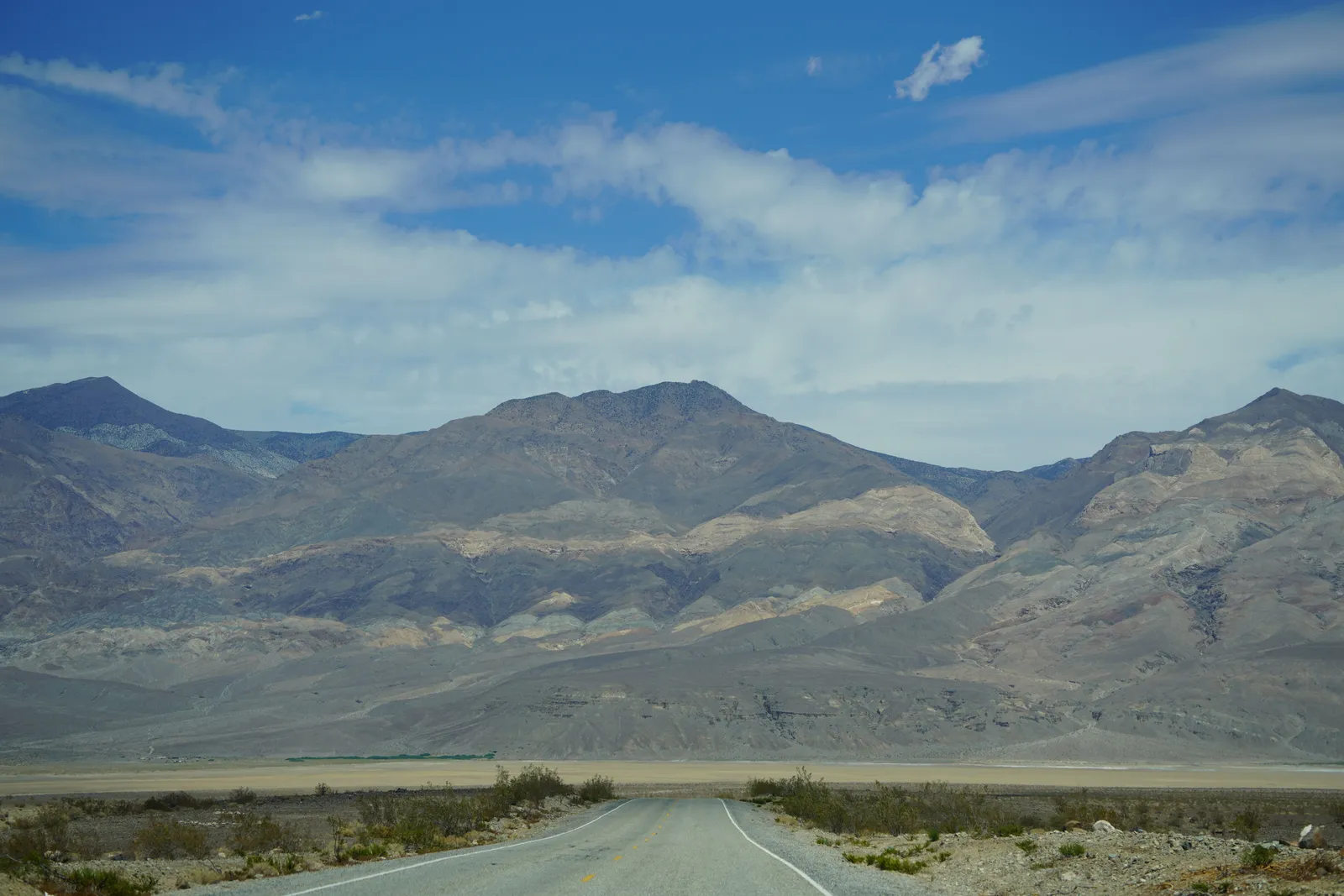
Death Valley counted eight tractor-trailer fires in three years on the Towne Pass descent
A truck's brakes overheated coming down about 5,000 feet off Towne Pass on September 9 and the tractor burned. The park's September 15 advisory names commercial drivers, publishes no RV rule for SR-190, and tells every driver the same thing: shift to low gear on steep downhill grades.
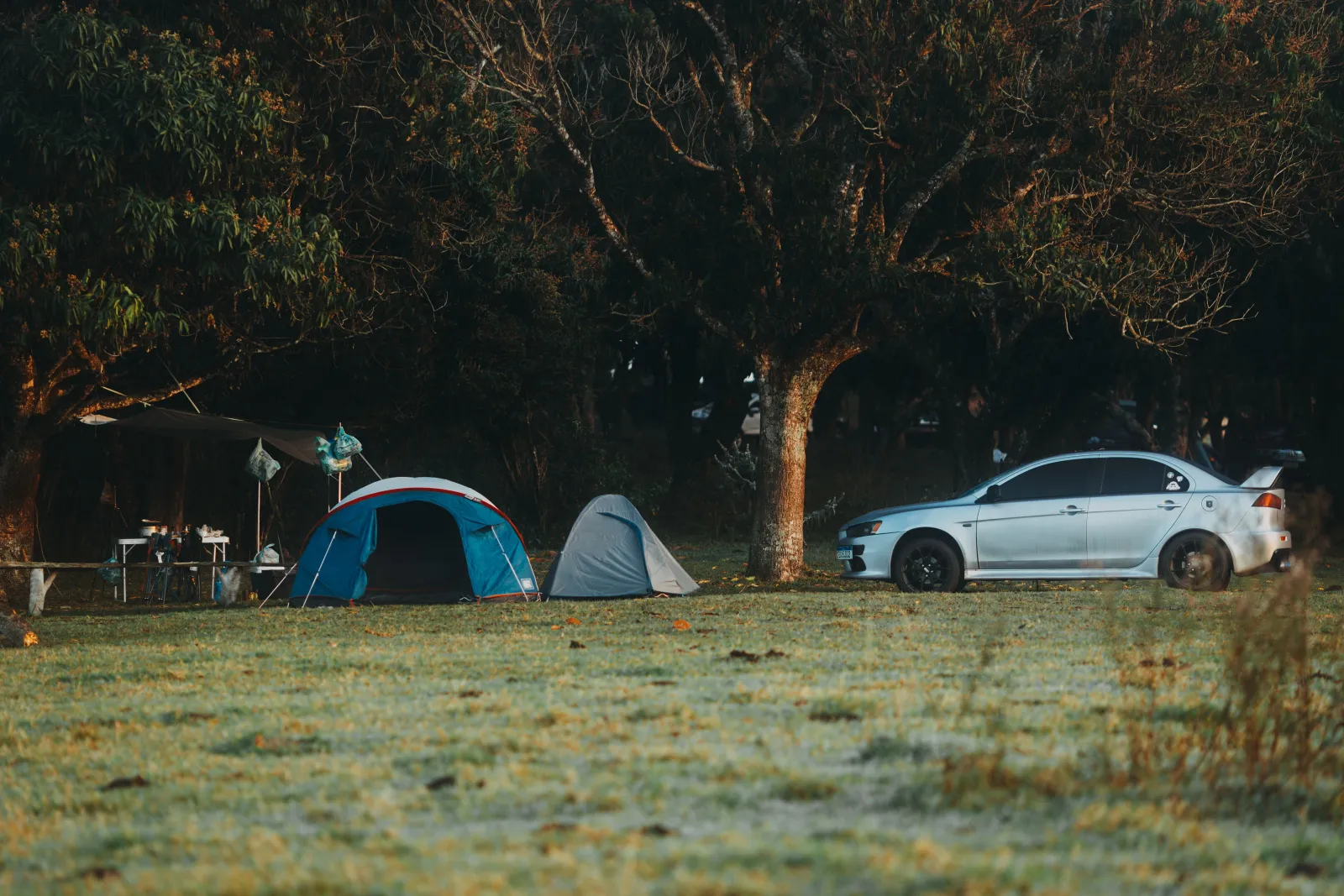
Can you sleep in your car at a tent site? We checked 30 park campgrounds and one answers.
Death Valley's Furnace Creek listing says campers at tent walk-in sites 115-150 may not sleep in their vehicles. Twenty-nine other national park campground listings on Recreation.gov say nothing either way. Silence is not permission.
RV living questions, answered.
What does full-time RV living actually cost?
Less than a mortgage in an expensive city, more than the internet suggests, and the range is enormous depending on how you travel. The line items people leave out are the ones that get them: fuel at single-digit miles per gallon, insurance on a vehicle that is also a house, maintenance on that vehicle under constant load, and the repair that puts you in a motel for a week. Site fees are the cost you control most, which is why free camping matters so much to the math.
What is domicile and why does it matter?
Domicile is the state you are legally a resident of when you have no fixed address, and it determines your taxes, vehicle registration, insurance rates, voting, and jury duty. It is not the same as where you happen to be parked. Full-timers converge on a small number of states for reasons that are mostly about income tax, registration cost, and having a mail service the state recognizes. It is worth choosing deliberately rather than by accident.
How do you get mail?
Through a mail forwarding service, which gives you a real street address, scans your mail, and sends physical items to wherever you will be. It is a solved problem and it is one of the first things to set up, because your domicile choice and your mail service are tangled together: some states require an address of a type that only certain services provide.
What about healthcare?
This is the hardest unglamorous problem in full-timing, because health insurance networks are geographic and you are not. A plan that is excellent in your domicile state can be out of network everywhere you actually are. People solve it in different ways, none of them elegant, and it is worth researching properly before you sell the house rather than after.
Is it actually cheaper to camp for free?
Yes, and it is the single biggest lever you have. A developed campground runs roughly $38 a night on average, which is well over $1,000 a month if you always pay for a site. Full-timers who are set up to camp comfortably on public land spend a fraction of that. The catch is that free camping demands water and power self-sufficiency, which is capital cost up front.
Next step
The cheapest night is the free one
Site fees are the line item you have the most control over. Full-timers who can camp on public land comfortably spend a fraction of what campground-only travelers do.
Learn free camping →