


Off-grid gear, compared on real specs


Top picks
The options we would actually recommend this week.
How big a power station?
Roughly: your daily watt-hours, plus headroom for a cloudy day. Slide what you use in a day.
Daily useQuick comparison
| Provider | Rate | Best for | Score | |
|---|---|---|---|---|
 EcoFlow EcoFlow | 1,024Wh / 1,800W | Solar-first camping where recharge speed decides everything | 8.7/10 | View gear |
 Bluetti Bluetti | 1,152Wh / 1,800W | The most watt-hours per dollar, carried short distances | 8.6/10 | View gear |
| EcoFlow | 1,024Wh / 1,800W | Most people buying their first 1,000Wh unit | 8.5/10 | View gear |
 Jackery Jackery | 1,070Wh / 1,500W | Carrying by hand, bought on sale | 8.1/10 | View gear |
| Bluetti | 2,073.6Wh / 2,600W | The most large-unit capacity per dollar, if you can find it in stock | 8/10 | View gear |
| Jackery | 2,042Wh / 3,000W | A base camp that might grow into a bigger system | 7.8/10 | View gear |
| EcoFlow | 286Wh / 600W | The small-unit class, full stop | 7.7/10 | View gear |
 Camco Camco | 20 ft, steel-wire core, 4-in-1 adapter | Most RVers; the default first hose | 7.5/10 | View gear |
 Anker Anker | 1,056Wh / 1,800W | Fast charging and expandability, bought well below list | 7.4/10 | View gear |
 Clearsource Clearsource | 0.5 micron carbon block, 4.5 gpm claimed | Full-timers filling from questionable spigots | 7/10 | View gear |
| Goal Zero | 998Wh / 2,000W | Rough handling and weather, at a price | 7/10 | View gear |
 Lippert Lippert | 20 ft, cam-lock connector, shut-off valve | Anyone done fighting bayonet fittings | 7/10 | View gear |
 Midea Midea | 20 pints/day, up to 1,500 sq ft | A lived-in rig with a drain point for the hose | 7/10 | View gear |
 Beech Lane Beech Lane | 5 micron sediment + 0.5 micron carbon block | Clearsource-style filtration without the Clearsource price, probably | 6.8/10 | View gear |
 hOmeLabs hOmeLabs | 22 pints/day, up to 1,500 sq ft | A lived-in rig, if you can still buy one | 6.6/10 | View gear |
| Jackery | 288Wh / 300W | A weekend phone-and-lights kit, if the discount is real | 6.6/10 | View gear |
| Camco | 20 micron, inline, one season | Making campground water taste decent for $35 | 6.5/10 | View gear |
| Camco | 20 ft, abrasion-resistant exoskeleton | Rough gravel pads and full-timers who wear hoses out | 6.5/10 | View gear |
| Eva-Dry | 333 cu ft, cordless desiccant | Closets, cabinets, and rigs in storage | 6.3/10 | View gear |
 Thetford Thetford | 20 ft, TPE, 5-in-1 adapter | Cold-weather campers who can find it at a fair dealer price | 5.8/10 | View gear |
| Valterra | 20 ft, collapses to 39 in per hose | Tight storage bays, bought at a good retailer price | 5.5/10 | View gear |
Guides
Before you spend the money.

12V Fridges: Real Power Draw, Compressor vs Thermoelectric, and What to Check
A 12V compressor fridge rated at 8.2 amps averages about 1 amp-hour per hour. The published numbers from Dometic, ARB and Koolatron, what they are measured at, and what they leave out.
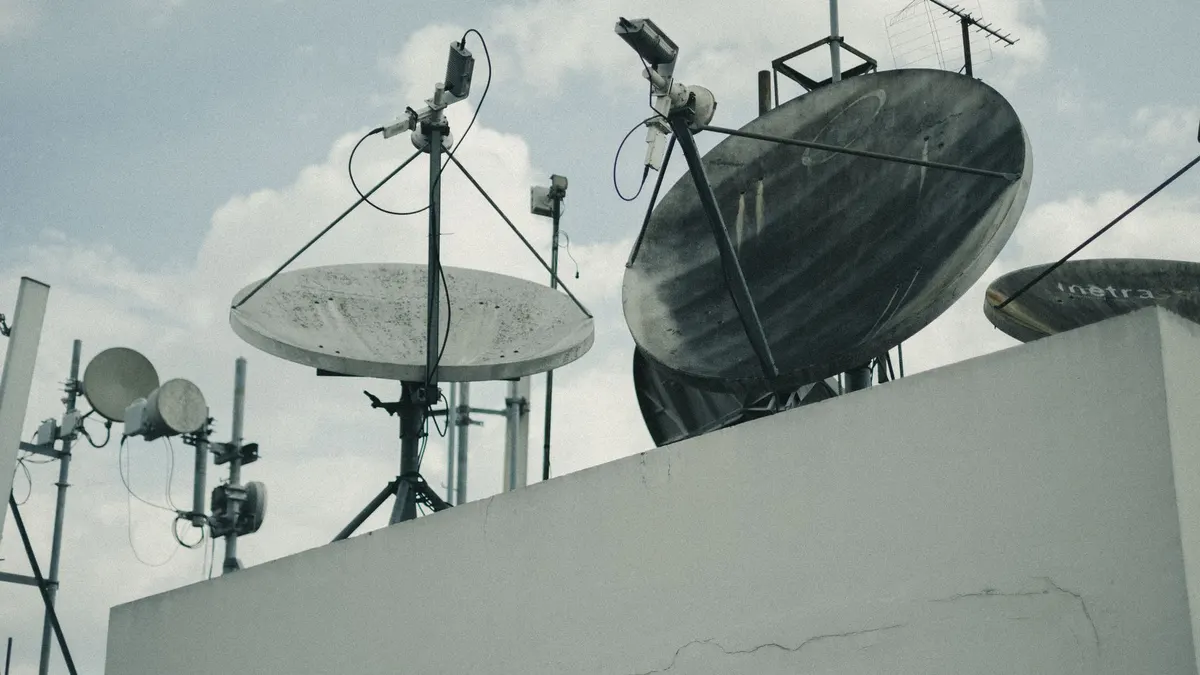
RV Cell and Wi-Fi Antennas: Reading Gain Specs and Cable Loss
One antenna has four different gain figures depending on frequency, and the lowest one is on the band that reaches farthest. Published Peplink specs, the cable loss that undoes them, and what you can legally connect to a booster.

RV Cell Phone Signal Boosters: What They Fix and What They Cannot
A booster amplifies a signal that already exists. It cannot create coverage. The FCC caps mobile booster gain at 50 dB, the best consumer units sit at that cap, and you are required to register yours with your carrier.
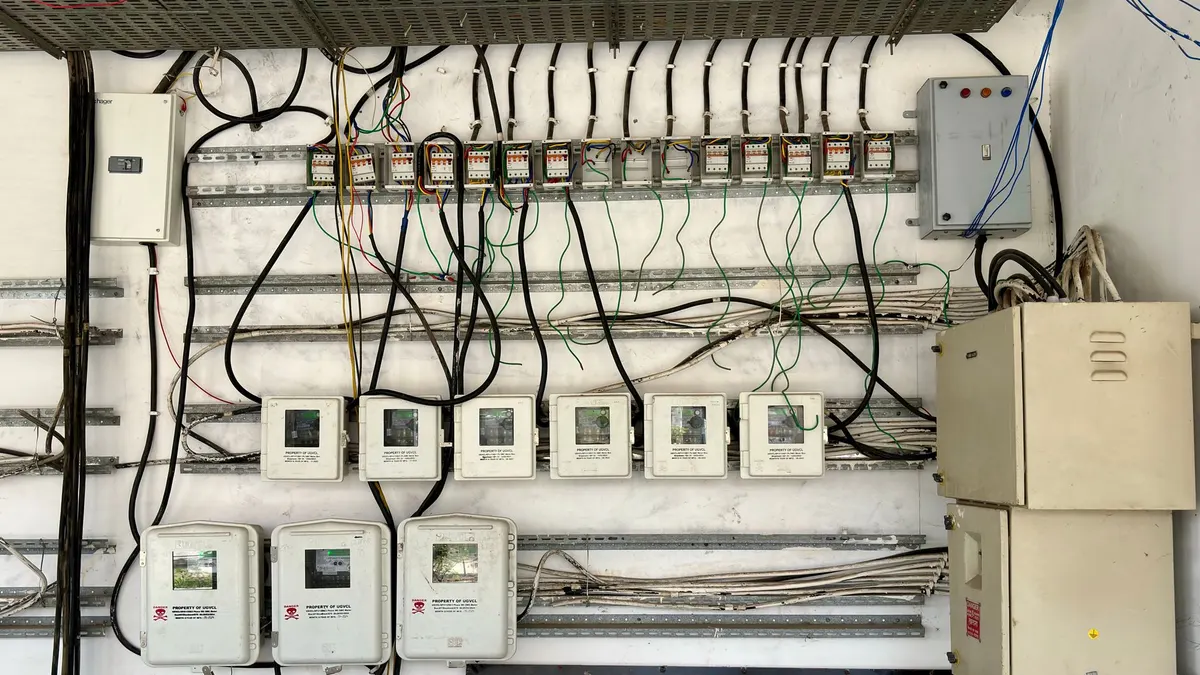
Solar Charge Controllers: PWM vs MPPT and How to Size One
A 15A controller takes 220W of panel on a 12V battery, not 279W. Victron's published sizing table, the arithmetic behind the MPPT advantage, and the two specs that decide whether a controller survives.
Latest
Latest in gear
Rechargeable hand warmer recalls now cover OCOOPA, HotHands and Gobi Heat. Check the model number on the underside.
Three CPSC recalls since July 30, 2026 cover about 1.58 million rechargeable hand warmers whose lithium-ion batteries can overheat and ignite. The model numbers, the refund steps, and what is not included.
Prepared Hero recalled 31,000 fire spray canisters. Check the date code on the base.
CPSC recall 26755, published September 10, 2026, covers Hero Fire Spray canisters marked 09/2024. Nine reports of a canister rupturing or deteriorating in storage, and the disposal route is a hazardous waste center, not the trash.
A gas can has to meet two federal requirements, and the flame arrester one stops at 5 gallons
One law covers the cap. A different law covers flame getting back into the container, and by statute it only reaches consumer containers of 5 gallons or less. Five of the 448 CPSC recalls posted in 2026 so far were portable fuel containers.
Gear questions, answered.
How do you rank gear?
On the specs that decide whether the thing works for the job, scored by us. For a power station that means real delivered watt-hours rather than the number on the box, recharge speed, and whether the spec sheet is honest. For a fridge it means what it draws in real ambient temperatures. Brands cannot buy a position, a score, or a kinder write-up. When something is mediocre we say so, including gear we earn a commission on.
Do you make money from these links?
Some of them, yes. Retailer links on gear pages may be affiliate links, meaning we get a small commission if you buy, at no change to your price. Those links are marked sponsored in the page code and the arrangement is described in full in our advertiser disclosure. If you would rather not send us a commission, search the product name directly: the information here is the same either way.
Why does the watt-hour rating on power stations matter so much?
Because the number on the box and the number you get are different. Rated capacity is measured at the cells; what reaches your laptop has been through an inverter and lost something to heat and conversion. Delivered capacity is commonly 85% or so of rated, and it varies by brand. When you are sizing a system, that gap is the difference between making it through the night and not.
What is the biggest power draw in most rigs?
The fridge, and it is not close. A 12V compressor fridge runs intermittently all day and typically lands somewhere around 500 to 900 watt-hours a day depending on size and outside temperature, which is a meaningful share of a modest solar system on its own. Everything else, lights, laptops, phones, is small by comparison. That is why the fridge decision cascades into the panel decision.
Should I buy the cheap version?
Sometimes. For gear where failure is an inconvenience, the budget option is often fine and the premium is brand. For gear where failure strands you, or where the cheap version quietly costs you elsewhere, it is false economy. A cheap thermoelectric cooler is the clearest example: it costs a third of a compressor fridge and draws so much more power that it can cost you two extra solar panels.
Next step
Do the math before the shopping
Gear pages are more useful once you know your numbers. Work out your daily watt-hours and sun hours first, then the right size stops being a matter of opinion.
Run the solar calculator →