
Find free camping on public land
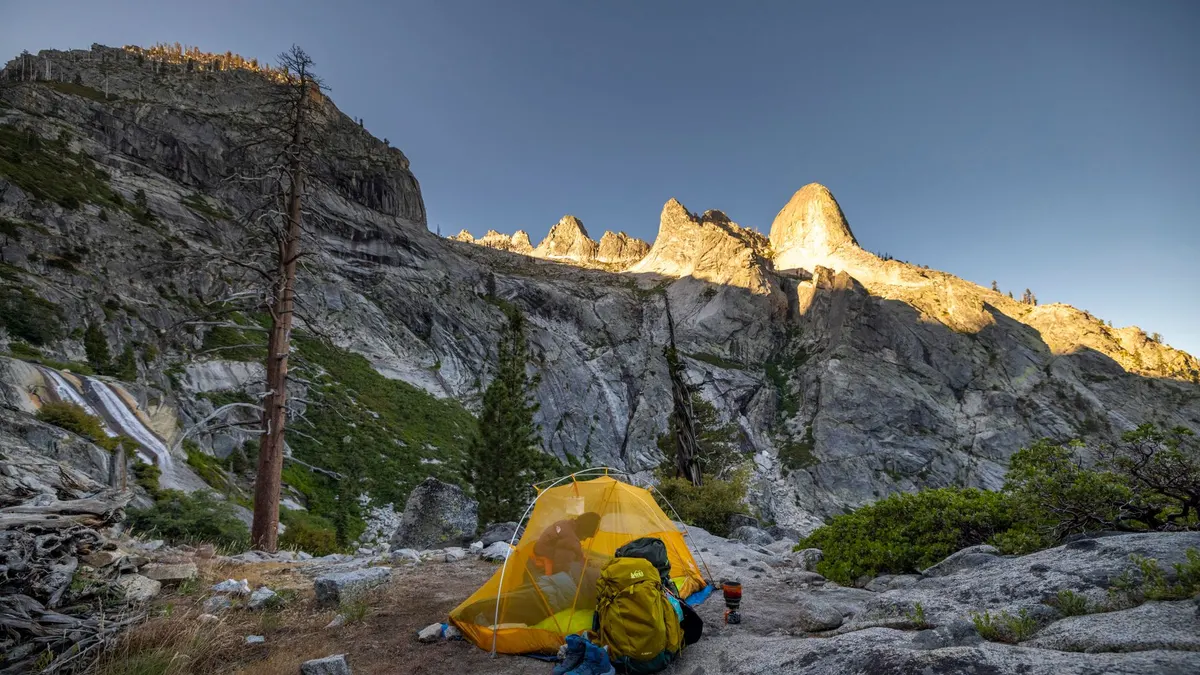
What kind of land are you looking at?
Find free camping in my state →What are campgrounds costing you?
A developed campground runs about $38 a night across the US. Dispersed camping on public land runs $0. Slide your nights out per year.
Nights you camp per yearGuides
Read this before you drive out there.
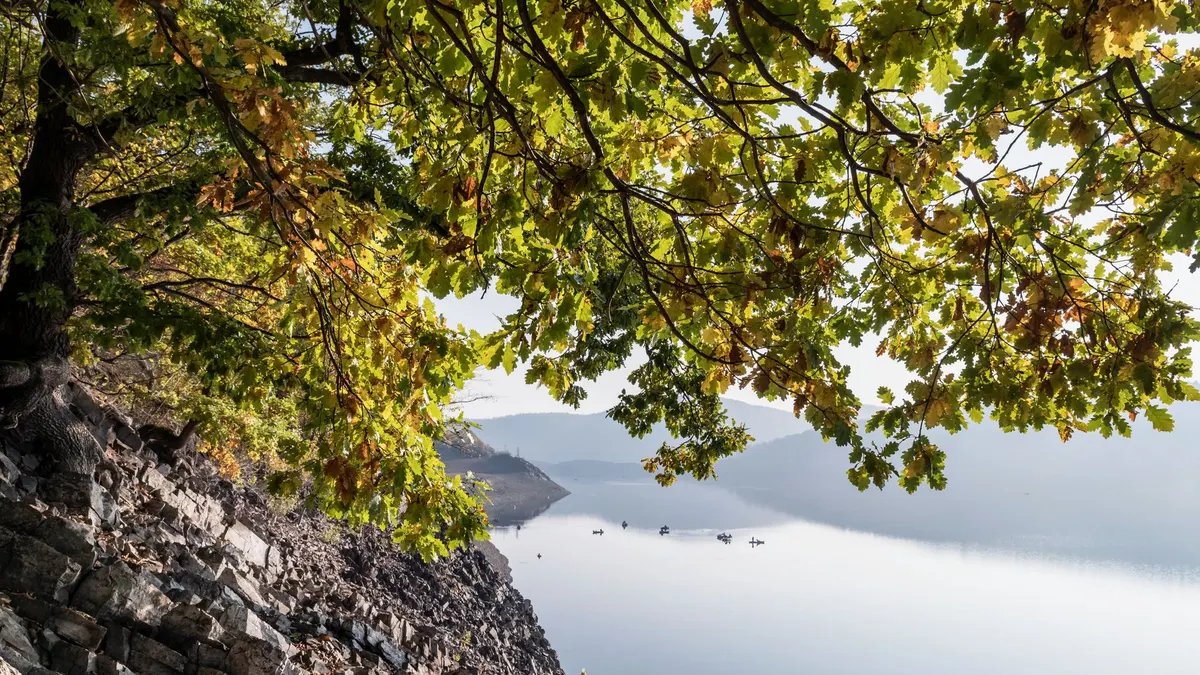
Army Corps of Engineers Land: Camping Rules and Stay Limits
Camping on Corps of Engineers project land is allowed only at designated sites, capped at 14 days in any 30, and carries a $5,000 penalty cap. Here is what 36 CFR 327 actually says and what it leaves to the local project office.
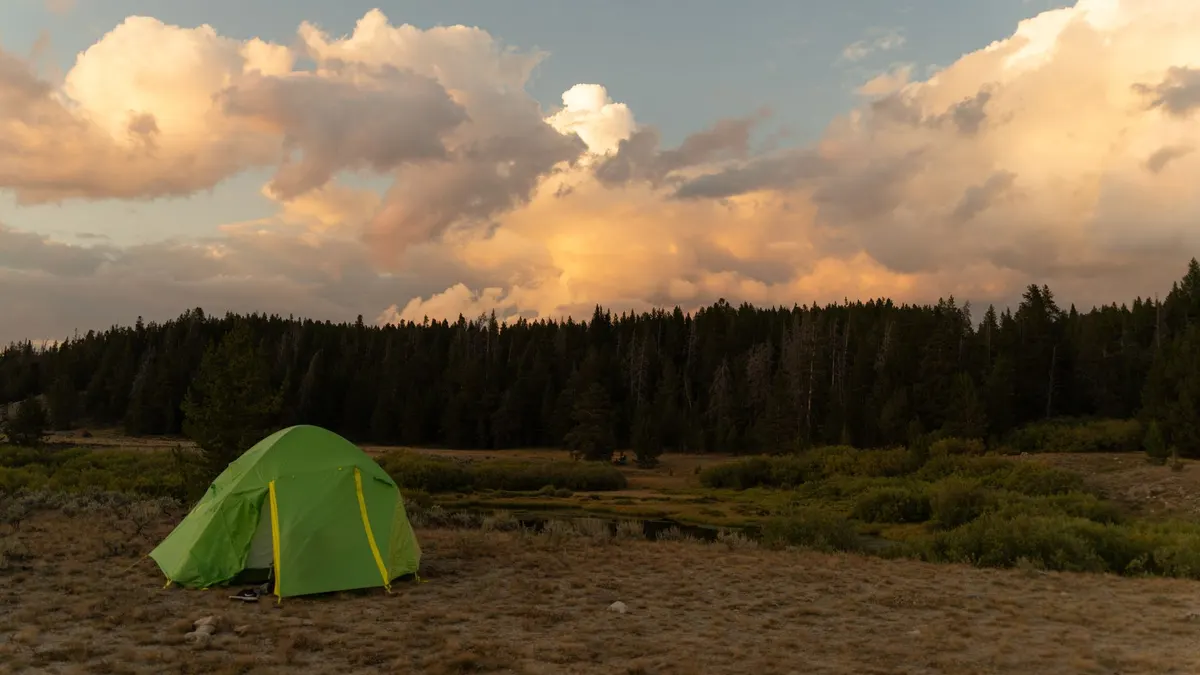
Dispersed Camping: What It Means and Where It Is Allowed
What dispersed camping actually is, which public land allows it, the stay limits and vehicle rules that come with it, and where the agencies leave the number up to the local office.
Campfire Restrictions: How to Check the Current Stage Before You Light Anything
Fire restrictions are set locally and change weekly. How the stage system works, what an order can legally prohibit, and how to find the current rule for the ground you are on.
How to Find BLM Land and Free Camping Sites: The Actual Method
Agency maps, Motor Vehicle Use Maps, and a phone call to the ranger district. The method that finds legal free camping, and how to read the maps so you do not camp on someone's ranch.
Latest
Latest in free-camping
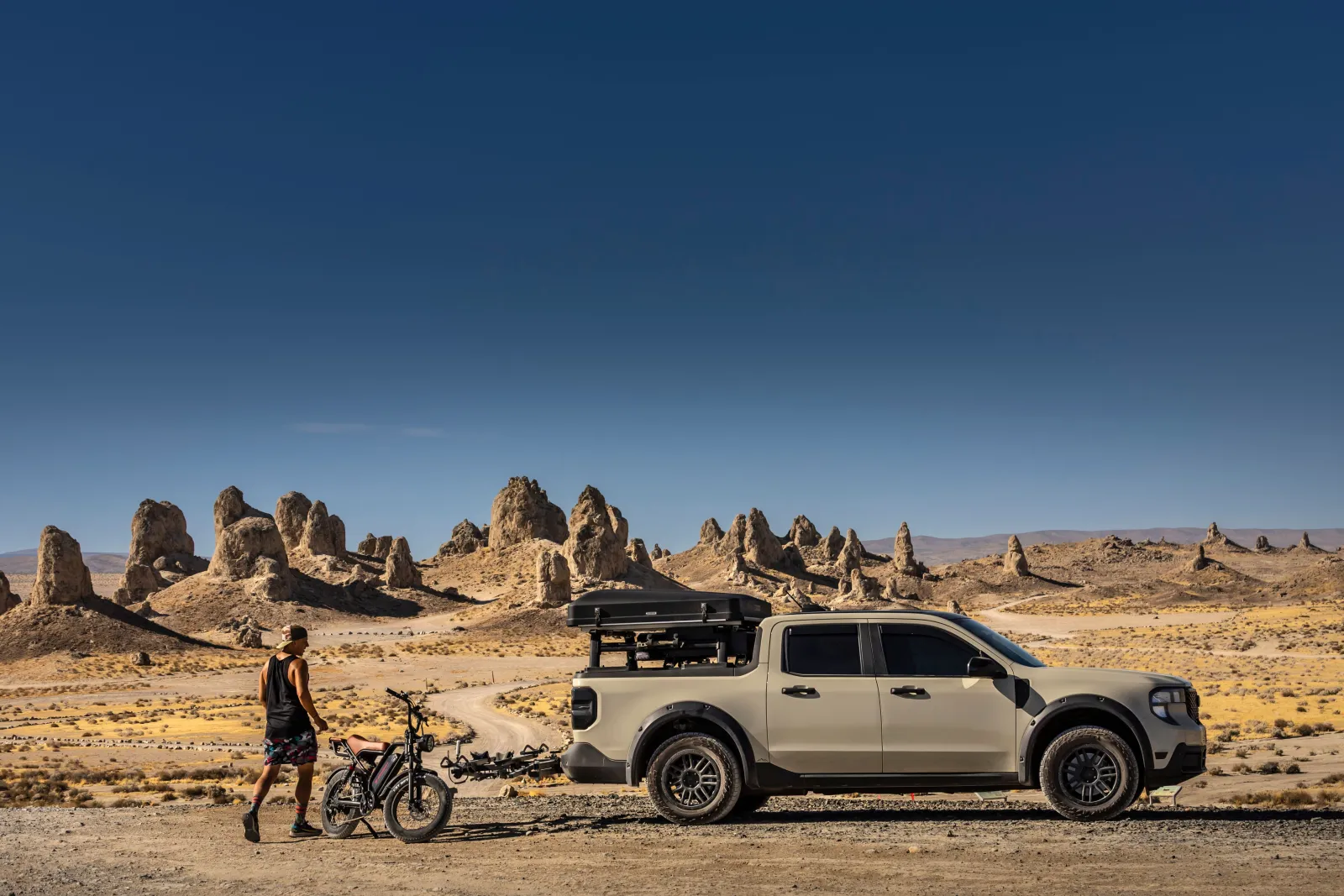
BLM's California desert fire restrictions are set to end October 29. Two year-round orders stay.
The California Desert District's seasonal Stage I and Stage II order runs through October 29, 2026. After that, a campfire outside a developed BLM campground still needs a California Campfire Permit, and a Red Flag Warning still shuts campfires down. Where the rest of BLM California stood on October 15.
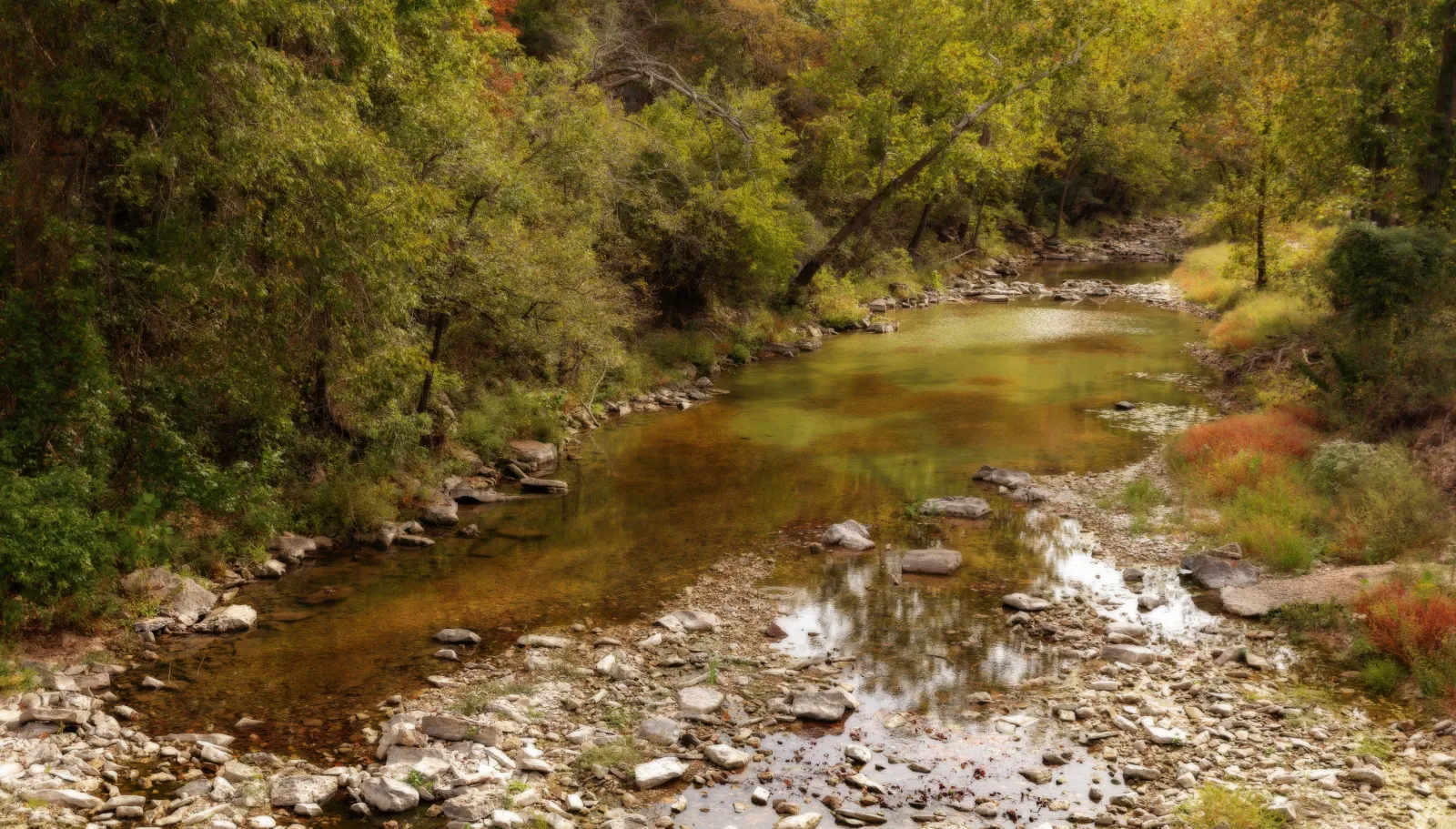
23 Recreation.gov campground listings say camping goes free in the off-season. Nine are on one Arkansas river.
We read all 5,445 campground listings on Recreation.gov on October 14, 2026. 23 publish a free off-season, led by the Buffalo National River, where the listings and the park's own pages give three different end dates for the 2026 fee season.
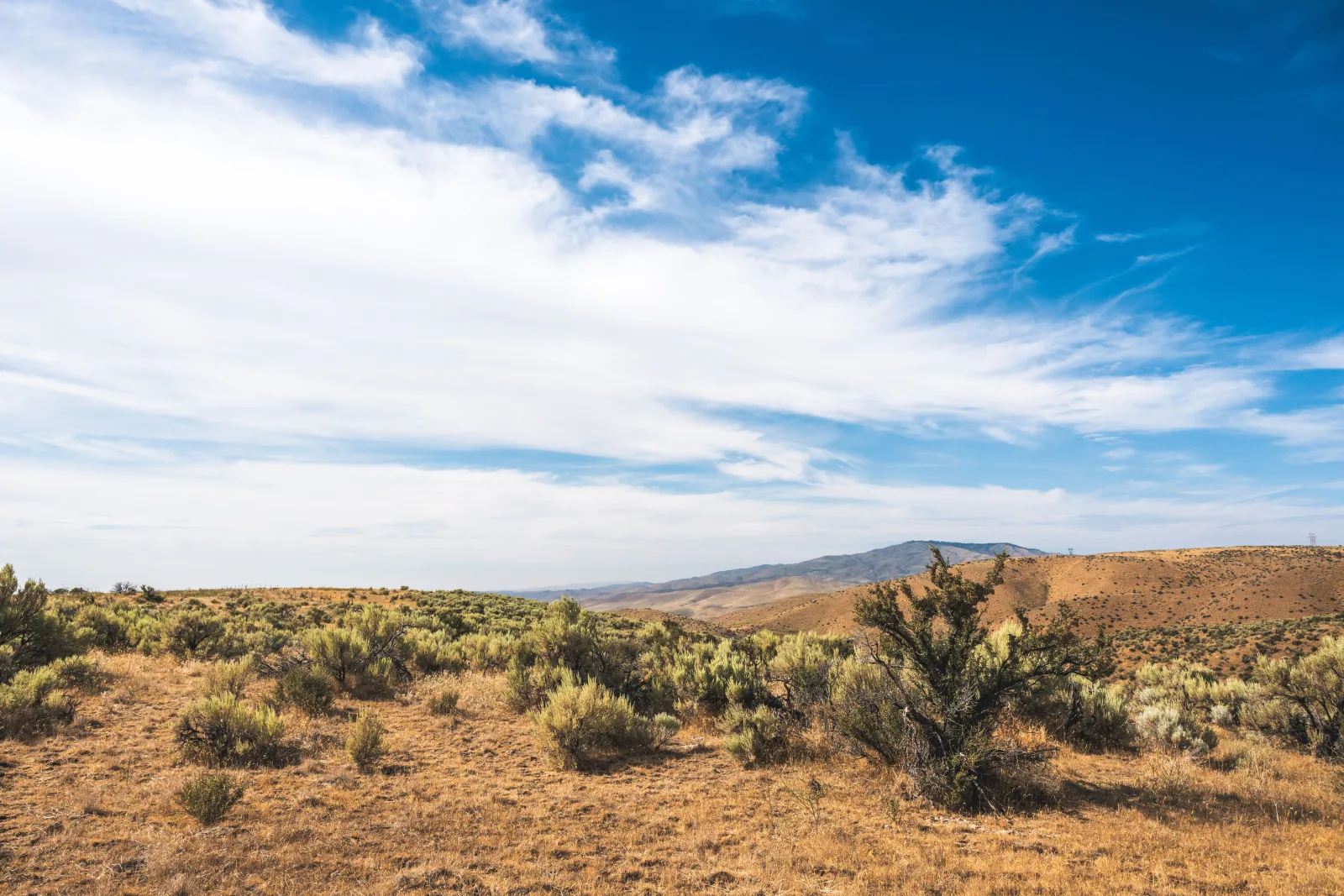
Two BLM districts start aerial herbicide work this week. Neither notice closes the land.
Challis, Idaho treats 2,500 acres from September 21 to October 5. Rio Puerco, New Mexico treats 3,775 acres through November 30. Only one of the two announcements tells the public anything, and neither one publishes a map.
Free camping questions, answered.
Is free camping actually legal?
On most federal public land, yes. Dispersed camping outside developed campgrounds is the default across most Bureau of Land Management and Forest Service land, it costs nothing, and it needs no reservation. The conditions are that you stay within the local limit, camp on ground that is already disturbed rather than making a new site, keep the required distance from water and developed areas, and only drive roads that are open. National parks are the big exception: they run on designated sites and permits instead.
How long can I stay in one place?
Commonly 14 days within a 28-day period, then you have to move a set distance. That is a pattern, not a rule. Stay limits are set locally by the BLM field office or the Forest Service ranger district that manages the ground you are on, and they genuinely differ between units. Heavily used areas are often shorter. The office that manages the land is the only authority that can tell you what applies where you are standing.
How do I know if I am allowed to camp where I am?
Two questions decide it. Whose land is this, and is this road open? Land ownership is not marked on the ground in most of the country, and much of the west is a checkerboard of federal, state, and private parcels, so you need an ownership map layer. For roads, a national forest publishes a motor vehicle use map showing exactly which routes you may drive and where you can pull off. If you cannot answer both, do not camp there.
What does free camping not include?
Water, toilets, trash, hookups, cell signal, and usually a level spot. That is the trade. A developed campground charges roughly $38 a night in exchange for solving those problems for you. Free camping means you carry your water in, carry your waste out, and generate your own power. If you are not set up for that, the campground fee is buying you something real.
Where is there the most free camping?
The west, by a wide margin. Federal land is not spread evenly: Nevada, Utah, Wyoming, and Idaho are largely public, while most eastern states have very little outside a handful of national forests. That single fact shapes how people travel. Our state pages show what is actually available where you are.
Next step
Found a spot. Can you actually run on it?
Free camping means no hookups. How long you can stay comes down to power and water, not permission. Size your solar and battery before the trip, not from a pullout with a dead fridge.
Sort out your power →