
Free dispersed camping is allowed on most BLM land, and the BLM says so on its own camping page: dispersed camping on public lands is generally allowed for up to 14 days within a 28-day period, no permit required in most areas. That single sentence covers roughly 244 million surface acres, most of it in 11 western states. Here is what the fine print actually says.
The stay limit is real and it moves around
Fourteen days is the norm, but the window and the move requirement are set per state and field office. BLM Colorado’s published rule is 14 days in any 30-day period at any one location, including campgrounds, after which you must move at least 30 air miles. Other offices phrase it as 14-in-28 with a 25-mile move. The limit exists to stop residential use: the BLM’s rules distinguish recreation from living on public land, and camp setups that look permanent draw attention.
Where dispersed camping is not allowed
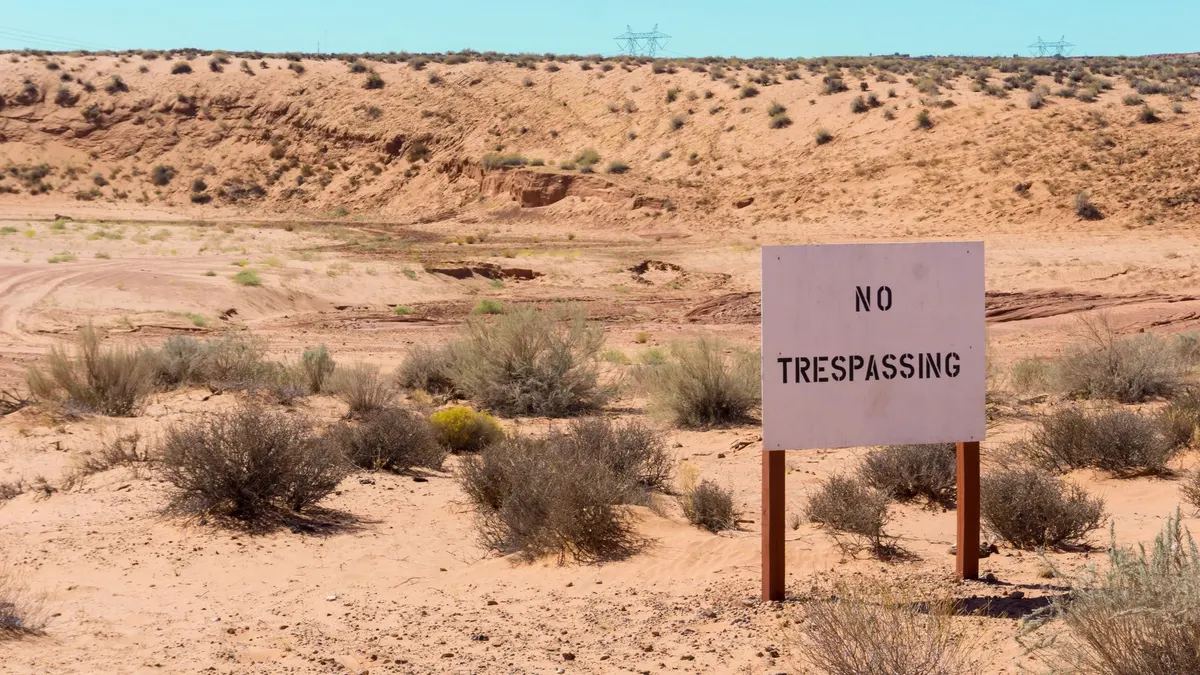
Posted closures beat everything. Beyond those, watch for three patterns. Popular corridors that switched to designated sites only: the BLM field office around Moab restricts camping to designated sites along the busy highway corridors even though most of the office’s land stays open. Special management areas: national monuments, wilderness study areas, and river corridors often carry their own camping rules and sometimes permits. Developed recreation sites: day-use areas, trailheads, and boat ramps are not campsites even when they are empty at night.
The practical rules once you are there
Use existing disturbed sites and existing fire rings rather than creating new ones. Camp on durable ground, not meadows or wet soil. Pack out everything, including grey water in most places. Fire restrictions change by the week in summer; check the field office’s alerts before you strike a match, because a Stage 1 order makes that fire ring illegal regardless of what this page says. And the 300-foot norm for driving off a route to camp only applies where the travel plan allows it; the route designations control.
Check the state, then the office
Our free camping state pages carry each state’s verified BLM acreage and named legal areas with the managing office’s page linked. Start there, then read the field office’s own page for the specific ground, because that page and the posted sign are the authority, not this one.