


Rest area overnight rules, in all 50 states
What are you trying to do?
Check the rules in my state →How far can you actually drive in a day?
Most people plan on nine hours and manage six. At a realistic 55 mph average with stops, here is the honest number.
Hours you plan to driveGuides
Before you pull over for the night.
Sleeping in Your Car at a Rest Area: What Is Allowed
In most states you can sleep inside a legally parked car at a rest area. The clock is what stops you, not the sleeping. Illinois, Tennessee, Virginia and Maryland are the clear exceptions.
Camping vs Overnight Parking: The Difference That Keeps You Legal
Most rules ban camping, not sleeping in a parked vehicle. Camping means setting up: a tent, an awning, chairs, a fire. The distinction is how a statute decides whether you broke it.
Getting Woken Up at a Rest Area: What Happens and What to Do
Almost always it is a state patrol officer or rest area staff asking you to move on. What the published rules say happens next, what the escalation actually looks like, and why complying at 2am and sorting it out later is the right call.
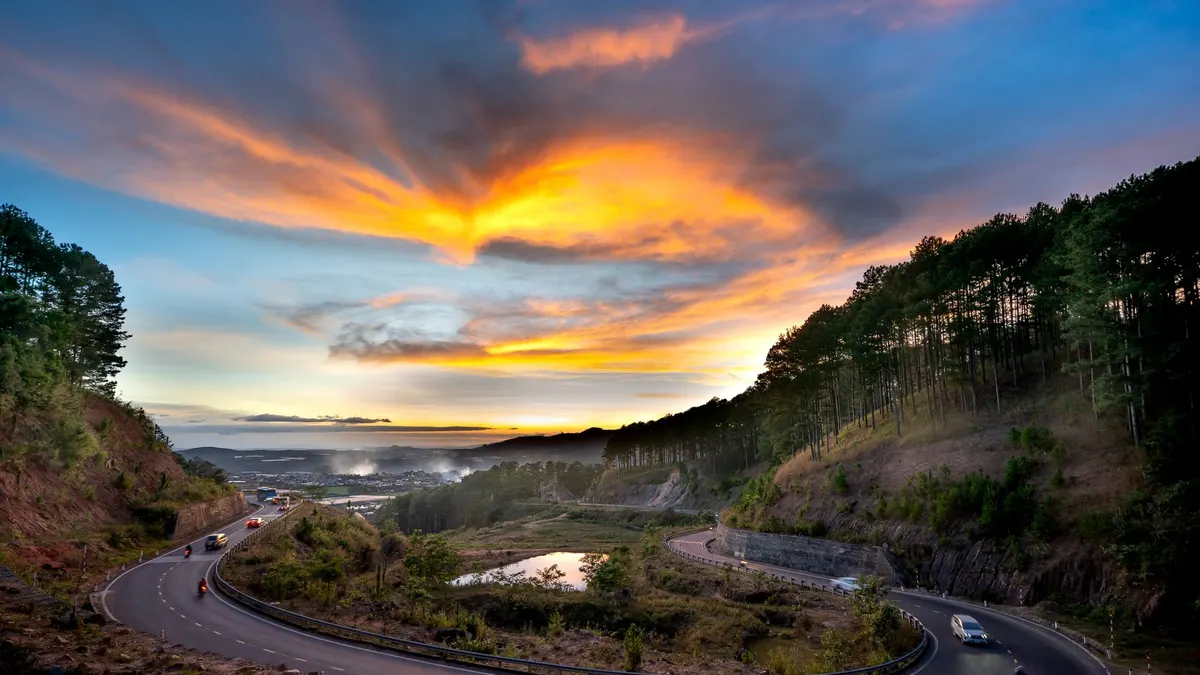
Can You Sleep at Rest Stops? The Real Rules, State by State
Whether you can sleep at a rest stop depends on the state. Texas allows 24 hours by statute, Virginia prohibits overnight parking, and most states sit in between. The verified rules.
Latest
Latest in rest-areas
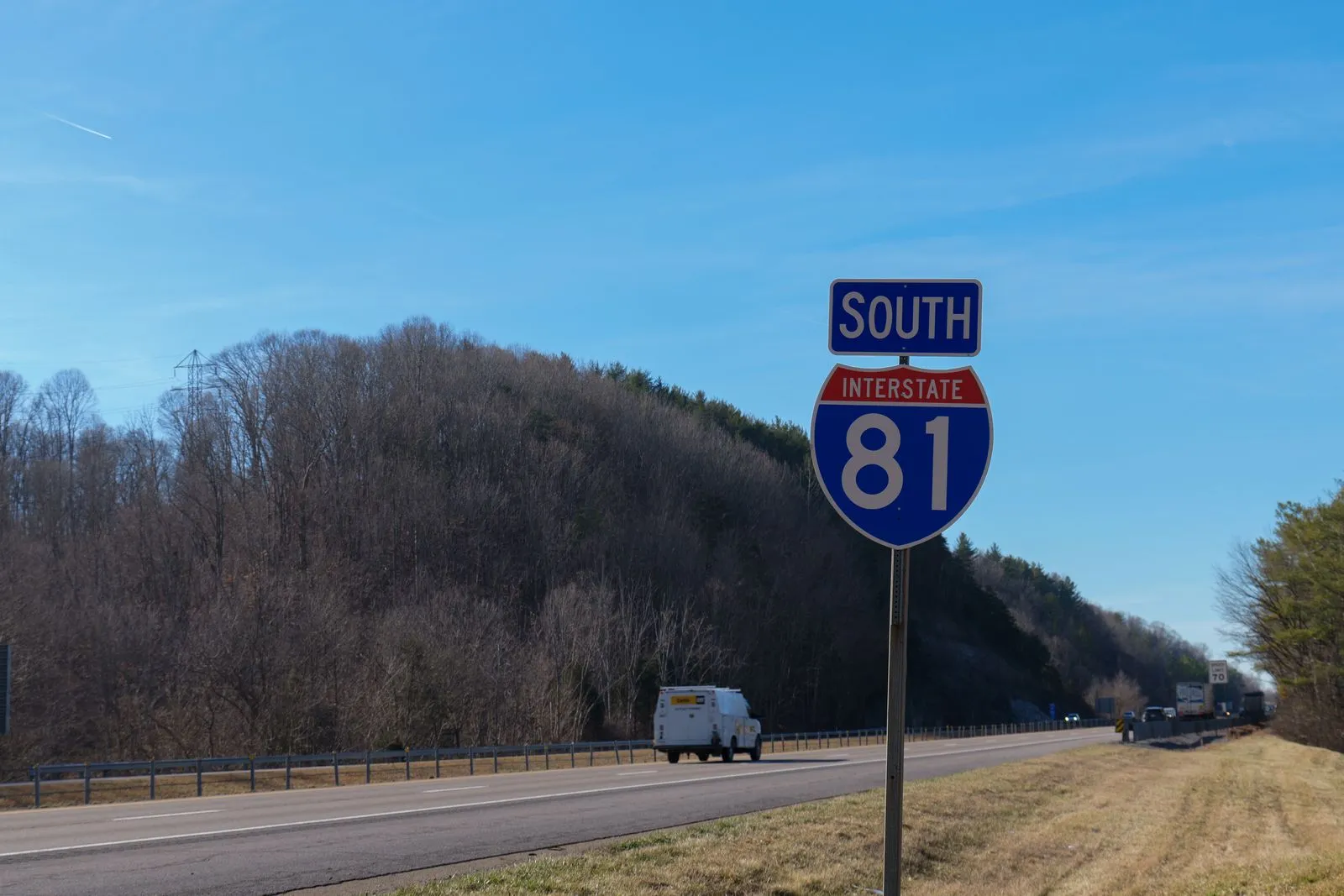
Tennessee rest areas: no overnight parking, a two-hour limit, and no dump station in the state
TDOT's own rest area page says it in two sentences: no overnight parking is allowed, and there is a two-hour parking limit. It also says none of the 35 facilities has a dump station.
Texas publishes no rest area time limit, and the only 24 hours on TxDOT's page is the restrooms
Every aggregator says you get 24 hours at a Texas rest area. TxDOT's own rest area pages, its county pages, and its maintenance manual say nothing about how long you can stay, overnight parking, or camping.
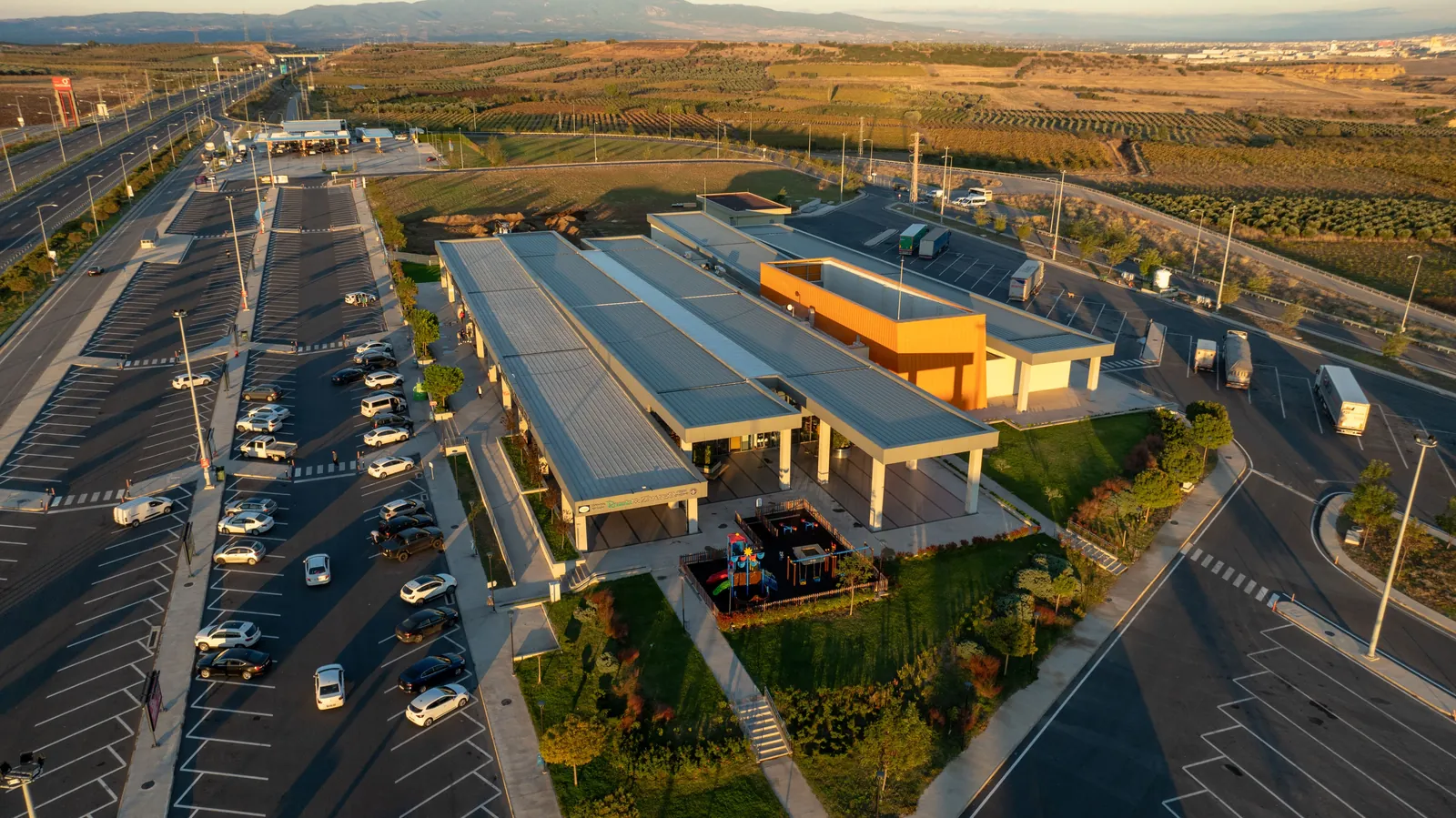
Florida's rest area rule bans camping outright, separately from the three hour limit
Rule 14-28.002 of the Florida Administrative Code lists camping as its own prohibition, bans hooking up to electrical and water outlets, and allows commercial drivers ten hours. The copy FDOT hosts on its own maintenance site is the 2007 version and is missing all of that.
Rest area questions, answered.
Can you sleep overnight at a rest area?
It depends on the state, and the range is wide. Some states allow a stay measured in hours that comfortably covers a night's sleep. Some cap you at two or three hours. Some prohibit overnight parking outright. There is no national rule: rest areas are operated by each state's department of transportation and each one sets its own policy. Check your state before you count on it.
What is the difference between "no camping" and "no overnight parking"?
A great deal, and it is the distinction most people miss. Many states prohibit camping at rest areas, meaning tents, awnings, chairs, cooking, and setting up, while still allowing you to sleep in a legally parked vehicle for some number of hours. Those states are telling you to rest, not to stay. If a state prohibits overnight parking, that is a different and stricter rule. Read which one the sign actually says.
Why do rest areas have time limits at all?
Because they exist to stop tired drivers crashing, not to provide free lodging. The limits keep spaces turning over for the people the facility is for, and they exist partly because interstate rest areas are federally funded and states are restricted in how they may be used. That history explains most of the rules that otherwise look arbitrary.
What happens if I stay too long?
Usually somebody knocks on the window and asks you to move, which is the common outcome and not a big deal. It can escalate to a citation, and in some states to a tow, particularly for a vehicle left unattended past the limit. The realistic cost is that you get woken up at 2am and have to drive somewhere while tired, which is the exact thing rest areas exist to prevent.
Is there a better option than a rest area?
Usually, yes. A rest area is for a few hours of sleep mid-drive. If you want to actually stop for the night, dispersed camping on public land is free, legal, quiet, and frequently twenty minutes off the same exit. Rest areas are the right answer when you are tired now and the alternative is another hour of driving.
Next step
A rest area is a nap. Public land is a night.
Rest areas exist so tired drivers stop, not so you can camp. If you want to actually sleep in, dispersed camping on public land is free, legal, and quiet. Often it is twenty minutes off the same exit.
Find free camping →