


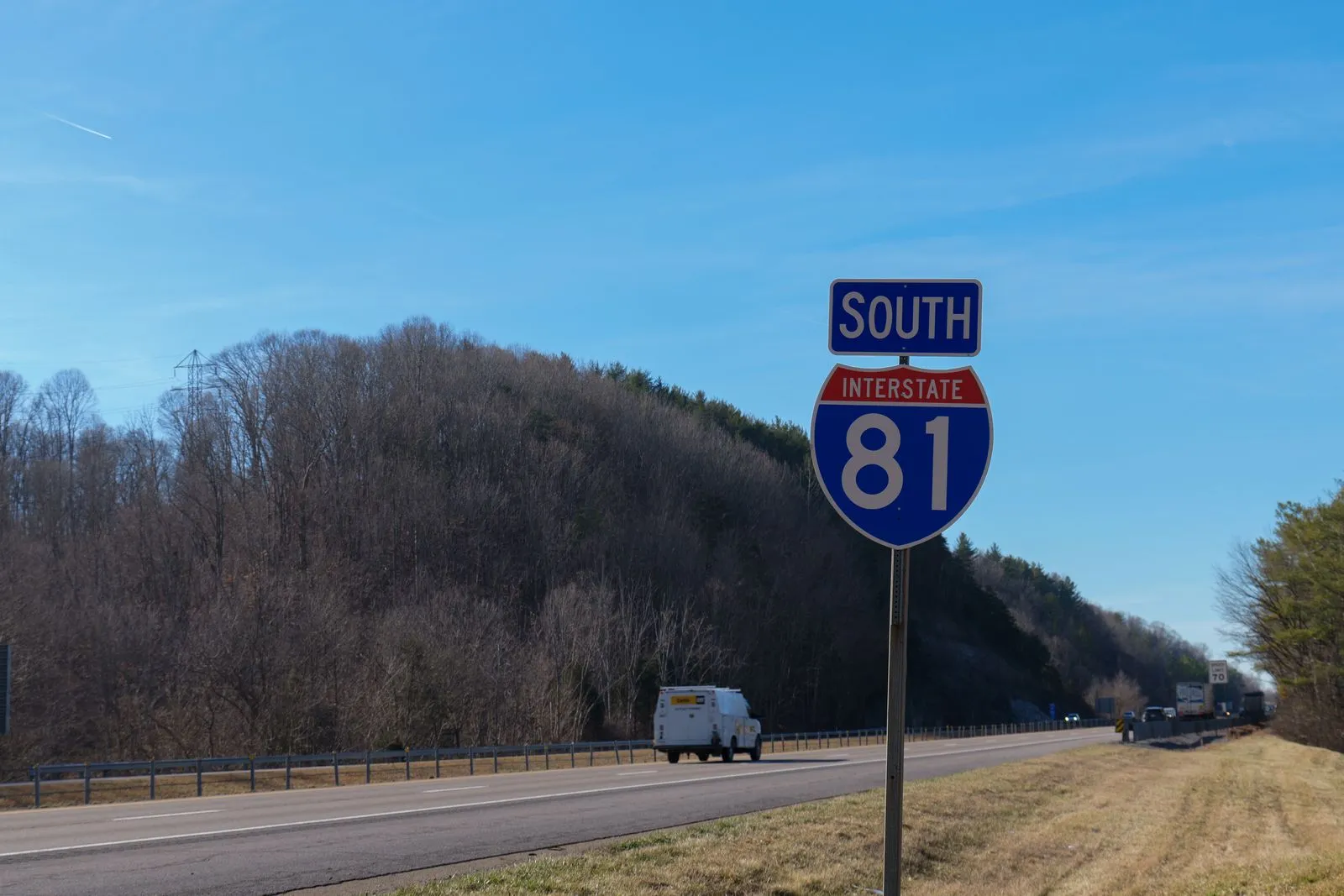
You cannot legally sleep overnight at a Tennessee rest area. TDOT’s own Welcome Center and Rest Areas page, verified September 27, 2026, puts it in two flat sentences: “No overnight parking is allowed. There is a two-hour parking limit.”
That is unusually direct for a state DOT. Most publish one or the other, a time cap or a camping ban, and leave you to work out what the gap means. Tennessee publishes both, and they stack: two hours is the cap on any stop, and overnight is out regardless of the clock.
Why the open restroom fools people
The same page says the facilities are “open and staffed 24/7.” There is one exception, Welcome Center #23 on I-40 East at Riverside Drive in Shelby County, which “closes each evening.” Restrooms and vending are “available at all times.”
So at 1 a.m. on I-40 you will find lights on, a clean restroom, an attendant, and other vehicles in the lot. None of that is permission. A facility being staffed overnight is the reason the rule gets enforced, not a sign that it is not there. If you are counting on nobody noticing, you have picked the wrong state to try it in.
The part that costs you money
TDOT: “No dump stations are located at any Welcome Center or Rest Area location.” That is all 19 rest areas and 16 welcome centers, statewide.
If your route plan had a Tennessee rest area doing double duty as a free dump, replace it now. A campground, a truck stop that sells the service, or a municipal facility is what is left, and most of those charge. Sort it out before you are on I-24 with a full tank.
Two more from the same list: “No grilling or open flames allowed at any location,” and “No solicitation and no unloading of livestock.” The grilling line matters if your normal routine is a stove on the tailgate at a rest stop. In Tennessee that is out, even during a two-hour legal stop.
What we could not verify
We did not locate the Tennessee rule or statute that these prohibitions come from. TDOT states the rules on its page and does not cite the authority, and the state’s rule publication server did not respond to us on September 27, 2026. So the honest position is this: the operative published source is TDOT’s page, we read it, and we are not going to guess at a code section to make the citation look stronger.
Practically, that changes nothing. TDOT runs the facilities and TDOT says no overnight parking.
What to do instead
For a sleep stop crossing Tennessee, you need somewhere that actually permits it, not somewhere that tolerates it. That means planning the night before you are tired, because a two-hour cap gives you no fallback at midnight. We have not verified the current dispersed camping rules for any specific Tennessee land unit this run, so we are not going to send you to one by name. Our Tennessee free camping page is the starting point on land types, our Tennessee rest area page carries what we have verified on the facilities themselves, and the camping versus overnight parking guide covers why a legal parking stop and a legal night’s sleep are two different questions in most states.
Before you commit to any of it, read the sign at the entrance. A posted notice and the current instruction from whoever manages the site beat this page, TDOT’s page, and any app. TDOT’s page also directs travelers to its SmartWay map for current facility status, which is worth checking if you are relying on one specific stop being open at all.