
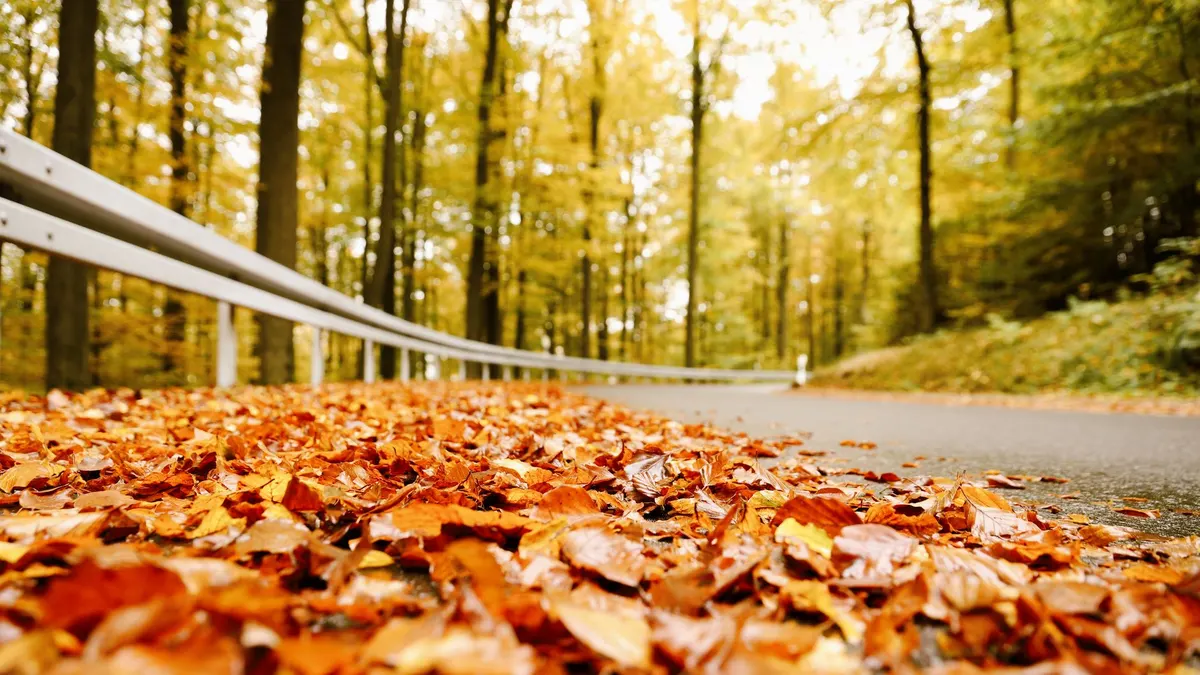
Shoulder season is the best camping of the year for most people, and the price is that half the infrastructure is switched off. Late spring and early fall give you empty forests, no bugs, mild days, and dispersed sites that would have a neighbor in July. What you give up is reliable access, open campgrounds, running water, and any confidence at all about the weather.
That is the entire trade. Whether it is worth it depends on how self-contained your rig is and how flexible your plans are.
What you get
The good part is real and does not need selling. Fewer people means the dispersed sites that fill by Friday afternoon in July are open on a Saturday in late September. Cooler air means your fridge stops fighting the heat and your solar budget stops being embarrassing. Bugs are largely done in fall and not yet started in spring. And rangers and district staff have time to actually talk to you, which is worth more than it sounds when you are trying to work out whether a road is open.
There is also a quieter benefit: less pressure on sites means less pressure on you. You can drive past a spot you are unsure about and still expect to find another, which is the difference between choosing a site and taking whatever is left. Choosing a site matters more when you have options.
What is closed, and it is more than you expect
Campground seasons are set per campground, not per park, and they vary a lot. Yellowstone’s campground page lists 2026 dates that show the spread: Madison runs 5/1 to 10/17, Grant Village 6/26 to 9/26, Slough Creek 6/15 to 10/12, and Mammoth is the only one listed as open year round. The page adds the line that matters more than any individual date: all dates are subject to change.
Services go before the campgrounds do. Yellowstone’s page states that dump stations, where available, may close when temperatures are below freezing. That is the general pattern across agencies and seasons. Potable water gets shut off and lines drained before the gate is locked, because a frozen system is an expensive repair.
Plan the shoulder season assuming the following, and treat each one as a pleasant surprise if it turns out to be open:
- The nearest dump station is closed.
- The potable water fill is off, even at a campground that is technically open.
- Visitor centers and camp stores are on reduced hours or shut.
- The fee booth is unstaffed, which does not mean the site is free.
Dump stations and fresh water covers how to build a route around that, and water management covers stretching what you carry.
Access is the real constraint
The reason shoulder season is quiet is often that you cannot get where you want to go.
In spring, the high country simply is not open yet. Yosemite says Tioga Road is typically open to vehicles from late May or June until sometime in November, with plowing typically beginning around April 15. CDOT describes Colorado Highway 82 over Independence Pass as typically open in summer, from Memorial Day through November, depending on weather conditions. Forest roads behind those passes open later still, and often stay gated through mud season because driving a saturated road surface damages it.
In fall, the same doors close, and they can close on a storm rather than on a schedule. A road that was open on Wednesday can be gated on Thursday.
The consequence for planning is that you should pick your season by what is reachable rather than by the date. When the high country opens walks through how to check a specific road with the state DOT and the ranger district instead of guessing, and forest seasonal closures covers the different kinds of gate you will meet.
The rules do not relax
A quiet forest is not a permissive forest. The BLM’s national camping page still puts dispersed camping at generally 14 days within any 28-day period, varying by state and field office, with a required move afterward that is often at least 25 to 30 miles. Stay limits, designated-site requirements, and posted closures apply in April exactly as in July. Stay limits has the detail on how the counting works.
Fire restrictions deserve a specific mention, because people assume they are a summer thing. On Forest Service land, restrictions come from an order issued under 36 CFR 261.52, which allows an order to prohibit building, maintaining, attending, or using a fire, campfire, or stove fire, and separately to prohibit smoking, operating an internal combustion engine, or entering an area at all. Those orders run on conditions. A dry, windy fall can carry restrictions well past Labor Day. Check the district’s current order before you count on a fire, and see fire restrictions for how the stages work.
Weather is the part that bites
Shoulder season weather is not milder, it is less predictable. The averages are pleasant and the range is wide. A spring or fall storm at elevation can drop temperatures below what your water system tolerates in a single night, which turns a nice trip into the problems covered in winter camping: frozen lines, and a battery bank that will not accept a charge in the morning.
The way experienced people handle this is not gear, it is flexibility:
- Check the forecast every day rather than once before you leave.
- Keep a lower-elevation fallback identified before you need it.
- Know your battery’s charge temperature range and your rig’s freeze exposure, both of which are in winter camping.
- Leave early rather than sitting out a system on a dirt road that turns to mud.
That last one is the difference between shoulder season being the good season and shoulder season being the trip where you got stuck. Wet forest roads strand vehicles, and getting unstuck is a much longer conversation than driving out a day early.
How to decide if it suits you
Shoulder season rewards rigs that do not need hookups and people who do not need a fixed itinerary. If you can carry your own water, handle your own waste, run on your own power, and change plans on a forecast, the tradeoff is heavily in your favor.
If you rely on campground water and dump stations, or you have booked a route that depends on specific roads being open on specific dates, the same weeks will be frustrating. That is not a failure of the season, it is a mismatch.
Either way, check what is open before you go, and remember that the posted sign and the land manager’s current guidance beat every date on this page. Agency pages go stale, gates do not. Our state pages are the place to start on what is legal where you are headed, and they say plainly where we have not verified something rather than filling in a guess.