


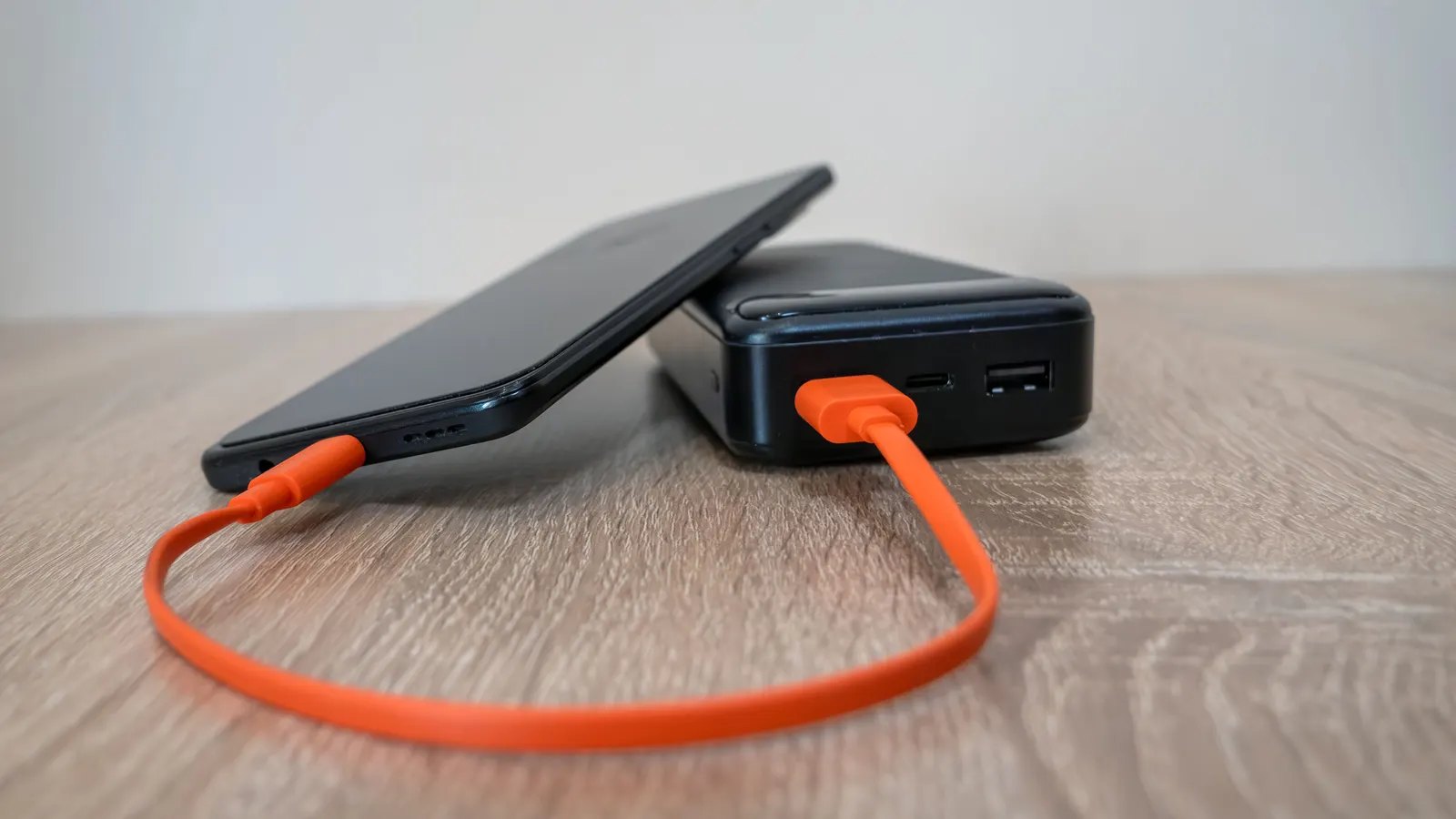
A recalled lithium battery goes to a household hazardous waste center, and you call ahead first. Not the trash, not curbside recycling, and not the battery drop box at the hardware store. That’s what CPSC’s recent lithium recall notices say, including two it issued on November 5. If you live in a van or RV, “call your municipality” leaves you asking which one. We read the sources on November 9, 2026.
Why this came up this week
On November 5 the Consumer Product Safety Commission issued two notices. One is a warning on HAIARA W5 PRO power banks: about 210,000 units, 600 reports of fire, explosion or other thermal incidents, and a manufacturer that hasn’t answered CPSC. The other is a Bose recall of about 634,759 S1 Pro and S1 Pro+ speaker battery packs. Both carry the same note:
“Do not throw this … in the trash, the general recycling stream (e.g., street-level or curbside recycling bins), or used battery recycling boxes found at various retail and home improvement stores.”
Both then point you to a municipal household hazardous waste (HHW) center and tell you to call before you go.
The store box is for used batteries
The EPA’s lithium battery page lists retailer take-back programs as one option for ordinary used lithium batteries. CPSC rules that out for recalled ones because, in its words, defective batteries “present a greater risk of fire.” Same battery chemistry, different bin.
Shipping isn’t the easy way out either. The federal hazmat rule for “damaged, defective, or recalled” lithium batteries, 49 CFR 173.185(f), allows transport by highway, rail or vessel only. That means no air. Each battery goes in its own non-metallic inner packaging, surrounded by non-combustible, non-conductive, absorbent cushioning. All of that goes inside a box or drum that meets federal packaging standards at the Packing Group I level, marked “Damaged/defective lithium ion battery.” A padded mailer doesn’t meet any of that. If a company wants the battery back, ask it to send packaging made for the job.
What to do
- Stop using it and stop charging it. Check the model or serial against the notice. For HAIARA, only units with no YYYYMMDD date code on the side are covered. For Bose, it’s packs whose serial starts with one of seven six-digit prefixes.
- Bag it and tape it. The EPA says to put each battery in its own plastic bag and tape over the terminals with electrical tape.
- Read the remedy before you throw anything away. Bose replaces the pack once you register the serial. Mitrytech’s HAIARA recall refunds only after you send a photo with “recalled” written on the unit and confirm you’ve disposed of it. Take the photo first.
- Call the HHW program in the county you’re in. Ask whether it takes defective lithium batteries and whether it takes them from people who aren’t residents. We haven’t found a national answer to that second question, so ask.
- Don’t sell it or give it away. The HAIARA warning says so in plain words.
For a big battery, like a power station or a lithium house bank, the EPA says to contact the manufacturer or the company that installed it.
A battery that isn’t on a recall list can go the ordinary routes the EPA page describes. Our roundup of recent power bank recalls has the model numbers to check. If you’re replacing one, the power budget guide will help you size the next one.
Sources
- CPSC Warns Consumers to Stop Using HAIARA Power Banks Immediately, warning 27-077 (November 5, 2026), read November 9, 2026
- Bose Recalls Lithium-Ion Battery Packs for S1 Pro and S1 Pro+ Bluetooth Speaker Systems, CPSC recall 27-065 (November 5, 2026), read November 9, 2026
- HAIARA Power Banks Recalled, Sold on Amazon.com by Mitrytech, CPSC recall 27-056 (October 29, 2026), read November 9, 2026
- U.S. EPA, Used Lithium-Ion Batteries, read November 9, 2026
- 49 CFR 173.185, Lithium cells and batteries, paragraph (f), via Cornell LII, read November 9, 2026