
Dispersed camping is almost never allowed in a national park. The rule is 36 CFR 2.10, verified today, and subsection (b)(10) is direct: “Camping outside of designated sites or areas” is prohibited. If you are used to BLM or Forest Service land, where you can drive down a legal road, find a pull-off, and camp, that model does not port to national parks.
What the rule actually says
Two subsections do the work. Subsection (a) grants authority: “The superintendent may require permits, designate sites or areas, and establish conditions for camping.” Subsection (b)(10) is the enforcement pillar: camping outside those designated sites or areas is a prohibited act, alongside failing to obtain a required permit, leaving equipment unattended, ground alteration, and the rest of a substantial list.
So the default is closed, and it opens only where the superintendent has designated. That is very different from public land under BLM or the Forest Service, where the default is open dispersed camping subject to travel-management rules. On NPS land you need a designated site, a designated area, or a permit. Everywhere else is closed to camping by regulation, whether or not there is a sign.
The exceptions exist but they are narrow
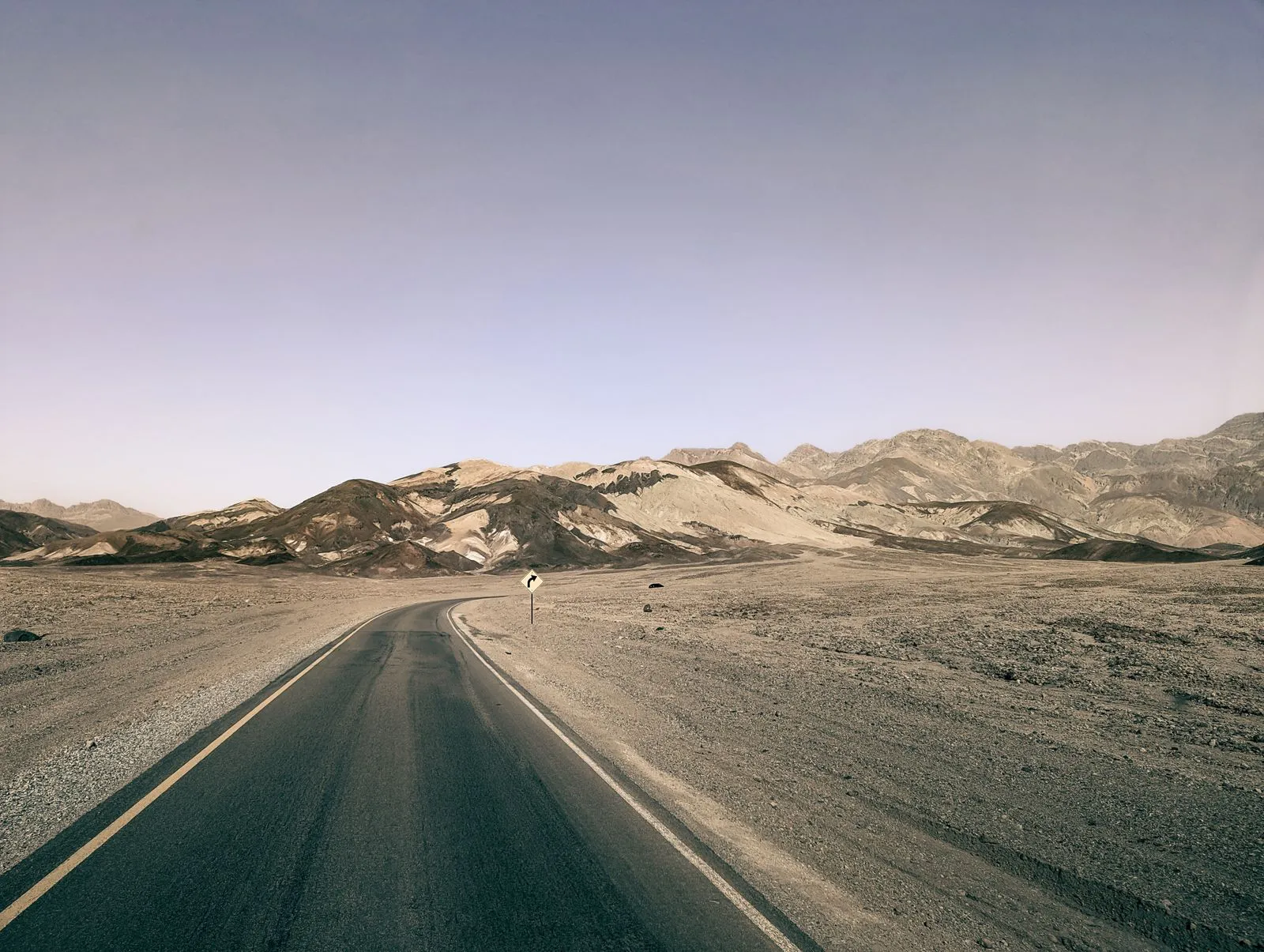
A handful of parks have used the superintendent’s authority to designate broader backcountry camping zones or roadside allowances. Death Valley is the clearest example. The park’s Backcountry Roadside Camping sites on Recreation.gov, verified today, describe the current rule: camp along the shoulder of unpaved roads only, at least one mile from the paved road and any developed area or day-use zone, and only in sites “that have been previously disturbed by other campers.” No wood fires in the backcountry, and off-road driving is prohibited park-wide.
Even that is not “dispersed camping” as most people use the term. It is a superintendent-authorized backcountry allowance with a specific one-mile buffer, a specific zone, and a required registration. Other parks have similar carve-outs for wilderness backpacking under permit. Some allow tent camping in named zones. None of these is the same as “pull off any road and sleep in your rig.”
What this means at the gate
If the park does not designate the site or area you’re on, camping there is a federal offense under 36 CFR 2.10(b)(10). Whether you get a ticket depends on ranger presence, but the rule doesn’t. Sleeping in a parked vehicle at a trailhead or a scenic pullout is camping, and rangers know it. Most parks name this explicitly in their superintendent’s compendium, which is the site-specific rulebook that sits on top of 36 CFR.
What to do instead
For most parks, book a developed campground inside the park or camp on adjacent public land outside the boundary. National forests and BLM land border many major parks, and dispersed camping on that land follows the BLM 14-day rule or the equivalent Forest Service stay limits. The posted sign at the park boundary and the specific park’s backcountry page beat any generic advice, including this one. Start on the park’s own “backcountry” or “wilderness camping” page for the exact zones and permit process. Our California free camping guide covers what the public-land options look like around Death Valley, Sequoia, and Kings Canyon.