


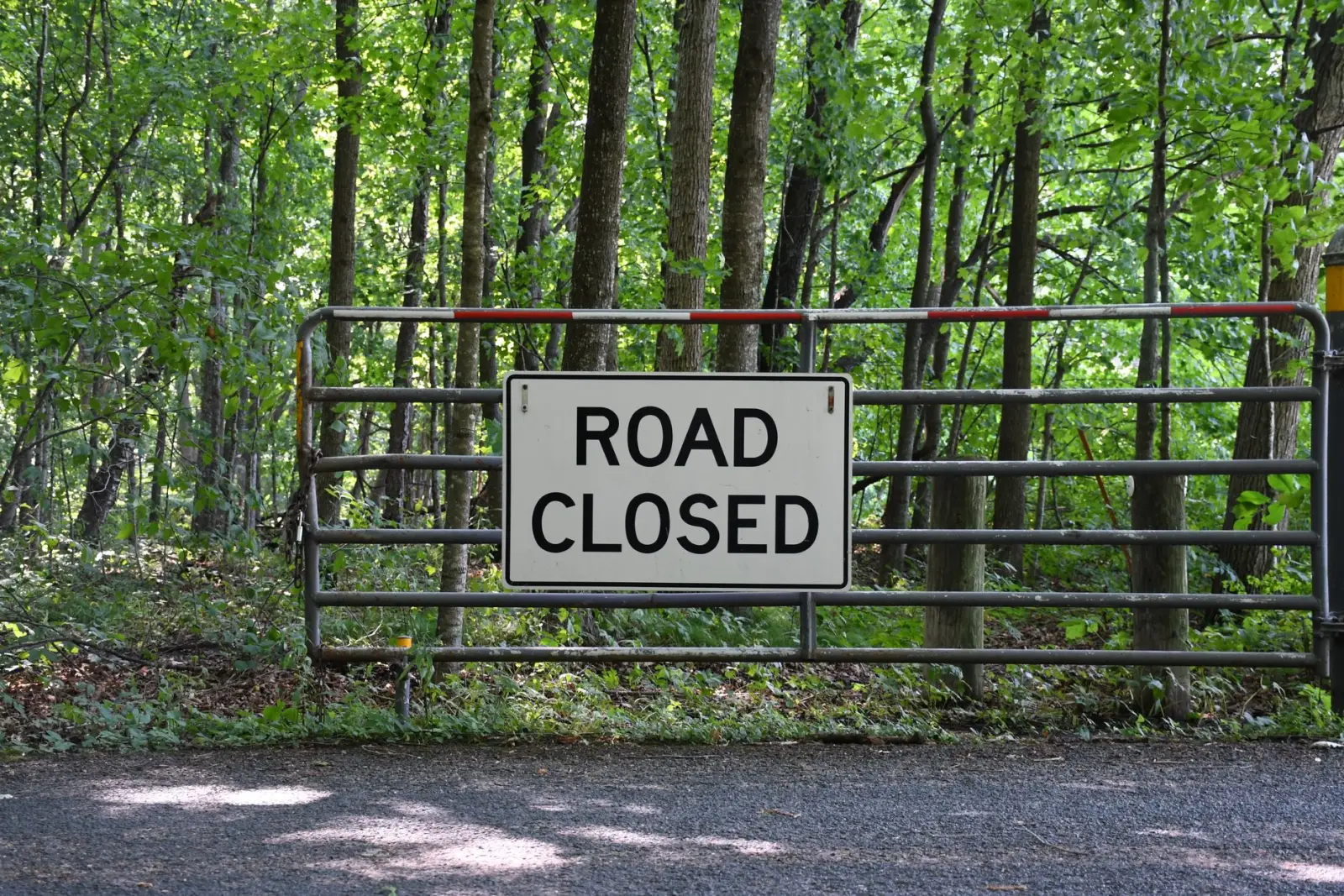
An emergency closure refunds all your fees. Cancelling on your own does not. That gap is worth about $10 plus a night’s site fee, and in a fire year the decision about who cancels is usually made for you, badly, by a week of smoke and no announcement.
Recreation.gov’s rules and reservation policies say it directly: “In the event of an emergency closure, the Recreation.gov team or facility manager will refund all fees and will attempt to notify you using the contact information within your Recreation.gov customer profile.” We read the page on September 6, 2026.
What you pay when you make the call
Cancel a campsite reservation normally and “a $10 service fee will be withheld from any refund.” Cancel late, meaning the day before or the day of arrival, and you pay that $10 service fee and forfeit the first night’s use fee on top of it. Do neither and simply not turn up, and you are a no-show: a $20 service fee and the first night’s recreation fee gone. The policy defines a no-show as someone who does not arrive and does not cancel by check-out time on the day after the scheduled arrival date.
So the same cancelled trip costs nothing, $10, $10 plus a night, or $20 plus a night, depending entirely on who cancelled it and when.
The catch, and it is the whole piece
The refund follows the agency’s decision, not your judgment about conditions. Smoke in the valley is not an emergency closure. A fire 20 miles away is not an emergency closure. A closure order signed by the district or the park is.
That means the useful move when a fire is near your reservation is not to cancel. It is to find out whether the managing agency has closed the site, and to keep checking, because these orders move in both directions. The BLM Vale District’s Fox Fire closure was enacted July 25, 2026, updated August 18, and then partly rescinded: as of 12:01 a.m. on September 4, 2026, Basser Diggins Campground and Spring Recreation Day Use reopened while Spring Recreation Campground stayed closed pending suppression repair. One order, three different answers across six weeks.
Two more things the policy says that are easy to miss. Cut-off windows “vary by location, but are typically between 0 to 4 days before your arrival date,” so the late-cancellation penalty does not start on the same day everywhere. And the site-wide policy is a floor: individual facilities set their own terms, so read the specific campground page before you assume.
What to do this week
If you hold a reservation somewhere with fire nearby, check the managing agency’s own closure page rather than a fire map, and check it again the day before you leave. If the agency has closed it, wait for the refund rather than cancelling into a fee. If the agency has not closed it and you no longer want to go, cancel outside the cut-off window and you pay $10 instead of $10 and a night.
And once you are on the ground, the posted sign and the district’s current guidance beat any page, including this one.
Our fire restrictions guide covers how to read a closure order against a restriction order, which is the distinction that decides whether your site is actually closed. If your trip falls apart anyway, dispersed camping on nearby public land is usually the fallback, subject to whatever the same order says about it.