
You cannot boondock in Big Bend, and right now you cannot book its roadside campsites online either. The park’s Primitive Roadside Campsites page says it plainly: “There is no vehicle ‘boondocking’ or ‘dispersed camping’ in Big Bend,” and no overflow camping “in parking lots or along park roads.” Your options are a campground or one of 67 designated roadside sites on a backcountry permit. Until further notice, that permit comes only from the Panther Junction Visitor Center desk.
How the roadside sites normally work
The 67 sites sit along the park’s backcountry dirt roads. Normally, the 20 most popular are reservable on Recreation.gov up to 180 days ahead, and the other 47 are issued in person at Panther Junction no more than 24 hours before your first night. The fees page puts the permit at $10 a night, $5 with a Senior or Access pass.
That changed. Both the roadside page and the backcountry permits page now carry the same line: “Due to large amounts of rain and the resulting road closures, until further notice all backcountry campsites can only be obtained in person at Panther Junction Visitor Center.” Both pages were last updated July 20, 2026, and the notice was still up when we read them on October 15. Panther Junction is open daily, 8:30 a.m. to 5:00 p.m.
Why the roads matter
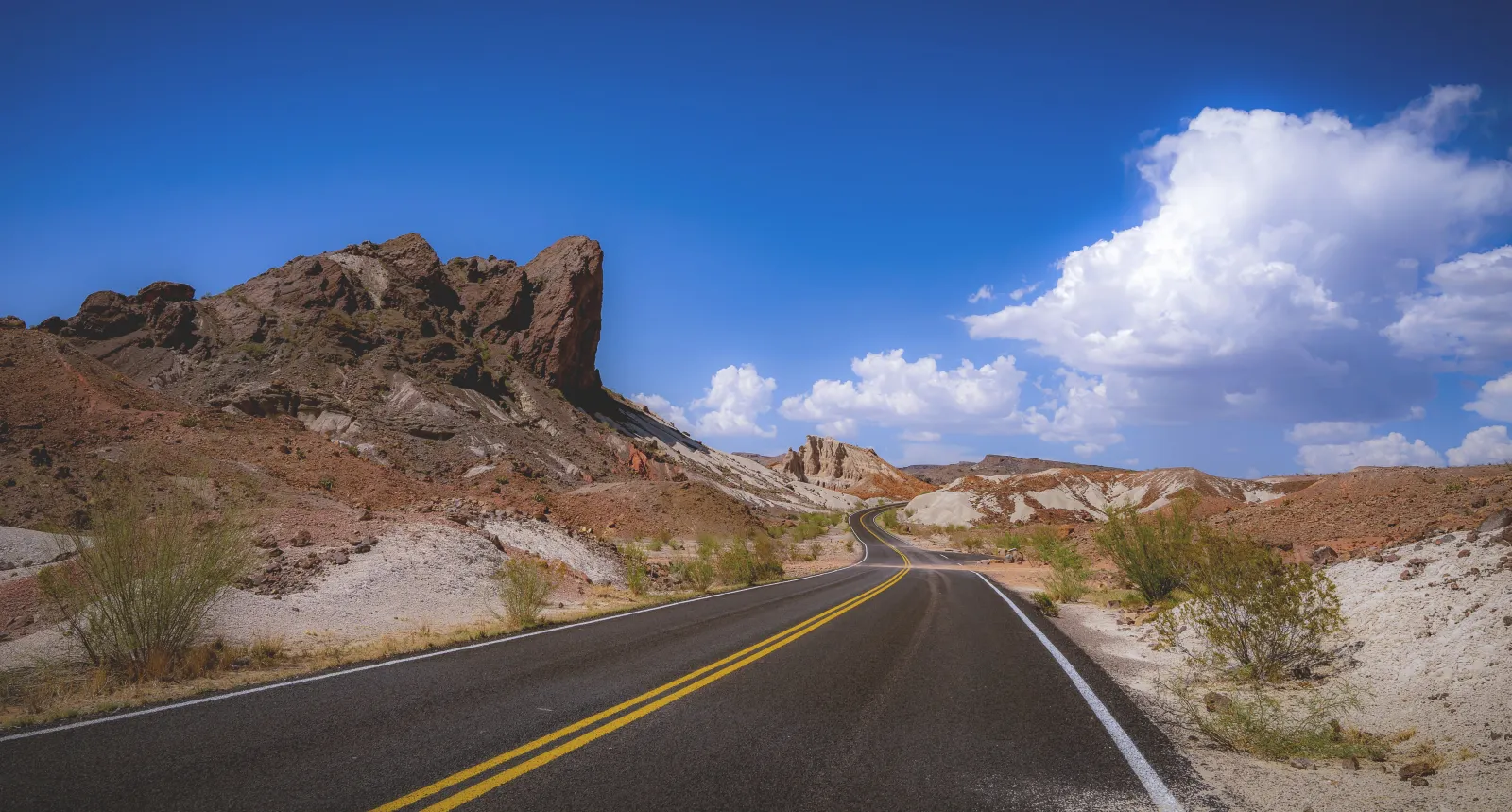
The park’s alerts page, updated October 14, lists weather-related closures in effect until further notice: River Road East and West, Old Ore Road, Hot Springs Road, Glenn Springs Road south of Rice Tank Campsite, and the paved road between Cottonwood Campground and Santa Elena Canyon. Black Gap Road has been closed since 2025 flash flooding. Those are most of the roads the in-person sites sit on.
Your vehicle matters too. The park says a rugged high-clearance 4x4 is required for the 47 in-person sites and that “rangers will not issue permits” for cars, minivans or RVs. The Recreation.gov listing defines high clearance as an SUV or truck with at least 15-inch rims and 8 inches of ground clearance. A handful of sites, among them Croton Springs, Grapevine Hills 1 and 2, K-Bar 1 and 2 and Paint Gap 2, can take an RV under 30 feet or a trailer under 25 feet, and they are in heavy demand. Generators are not allowed at any backcountry site, per the backcountry regulations.
The winter cap
Permits run up to 14 consecutive nights, with 28 total nights in the park per calendar year and 14 nights a year at any single site. From January 1 to April 15, the park limit drops to 14 nights total. A two-week stay in February uses that whole allowance, front country and backcountry combined.
What to do
Plan on arriving at Panther Junction during desk hours with a vehicle that qualifies, and have a campground as the fallback. One page is out of step: the fees page, last updated in 2024, still says permits come from Panther Junction or Chisos Basin. The newer notice names Panther Junction only, so go there. Cottonwood Campground is listed as opening November 1.
Read the alerts page the morning you drive in, and do what the ranger at the desk tells you. Our Texas free camping page covers the land outside the park, and our explainer on dispersed camping in national parks covers why parks work this way.
Sources
- Big Bend National Park, Primitive Roadside Campsites (NPS)
- Big Bend National Park, Backcountry Use Permits (NPS)
- Big Bend National Park, Alerts and Conditions (NPS)
- Big Bend National Park, Backcountry Regulations (NPS)
- Big Bend National Park, Fees and Passes (NPS)
- Recreation.gov, Big Bend Backcountry Camping