


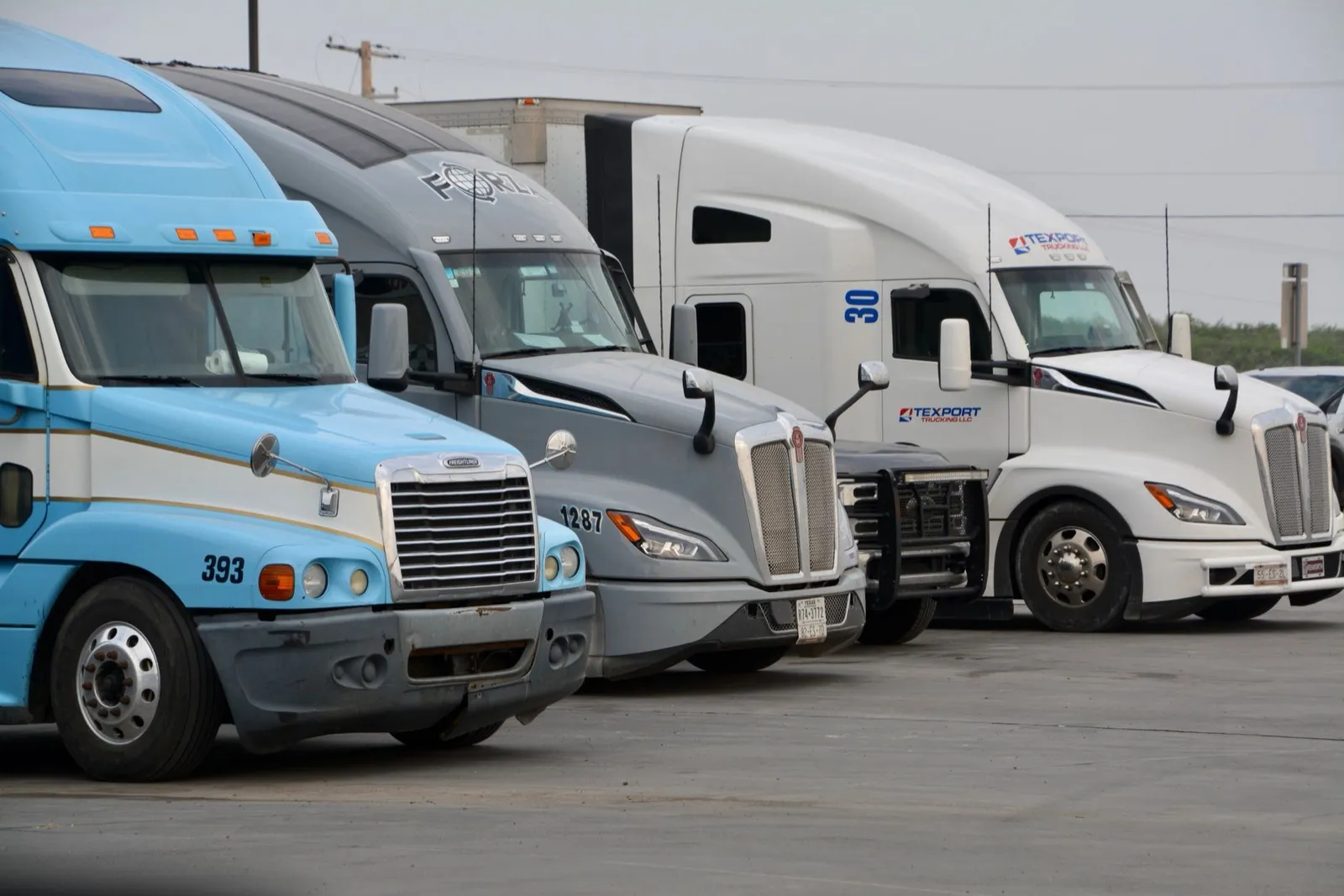
In several states the rest area clock runs differently depending on what you drive, and you are on the short side of it. Florida allows the general public three hours and commercial motor vehicle operators ten. Minnesota allows four hours and ten. The semi idling beside you at 3 a.m. is legally parked. Your van may not be.
What the states that publish a split actually say
Florida’s rest area Q and A, checked August 5, 2026, sets the general public at “a period of three hours” and gives “a period of ten hours for commercial motor vehicle operators subject to hours-of-service regulations.”
Minnesota writes it the same way. The MnDOT rest area policy, checked August 5, 2026, says “Commercial motor vehicle operators subject to hours of service regulations under 49 CFR 395 may stop and park continuously, for a period of up to ten hours.” The next line: “All other motorists are permitted to stop at rest areas for up to four hours, where posted.”
Washington splits it from a longer base. RCW 47.38.020, checked August 5, 2026, makes it unlawful to “stop, stand, or park any vehicle” at a safety rest area “for more than eight hours within a twenty-four hour period,” and adds that commercial vehicles “may park up to an hour beyond federally mandated rest periods.” The same statute makes it unlawful “to camp or to maintain a camp, tent, or other sleeping accommodation or facility, in any safety rest area.”
The reason for the carve-out is in Minnesota’s own wording: 49 CFR 395, the federal hours-of-service rule. A driver legally required to be off duty for 10 consecutive hours has to spend them somewhere, and states wrote that somewhere into the rest area rule. Nothing obliged them to write the same allowance for you.
Not every state splits, and the single numbers run both ways
Pennsylvania sets one number and it is short. 67 Pa. Code 443.2, checked August 5, 2026, prohibits “Parking or standing of a vehicle for more than 2 hours in a single 24-hour period or in excess of the posted time limit,” and separately prohibits “Camping overnight or setting up a tent, sleeping anywhere but in a legally parked vehicle or remaining anywhere at a roadside rest area for more than 2 hours or as otherwise posted.” Two hours is a coffee and a nap, not a night. The section we read does not carve out commercial drivers.
Idaho runs the other way and gives everyone room. The ITD rest area FAQ, checked August 5, 2026, allows “up to 10 consecutive hours on interstate rest areas” and 16 hours on US and state highway rest areas, while prohibiting camping, plugging vehicles or camping devices into outlets, and hooking hoses to water faucets.
So the honest summary is not “truckers get more.” The number is set state by state, and where a state distinguishes, the shorter one is yours.
What to do before you count on a night
Look up the state you will actually be in, not the one you left. Our rest area states directory shows what we verified per state and the source we used. Where it says not verified, we could not find an official page, and a blank is not permission.
Then read the sign at the site. The posted limit and the trooper who enforces it beat any website, this one included. Set an alarm for the posted number, not for sunrise, and if that number is two or three hours, treat the stop as a nap and plan the actual night somewhere camping is allowed.
Sources
- Florida Department of Transportation, Rest Area Questions and Answers
- Minnesota Department of Transportation, Safety Rest Area Parking Policy
- RCW 47.38.020, Safety rest areas, prohibited activities (Washington State Legislature)
- 67 Pa. Code 443.2, Prohibited activities or actions (Pennsylvania Code)
- Idaho Transportation Department, Rest Area FAQs