


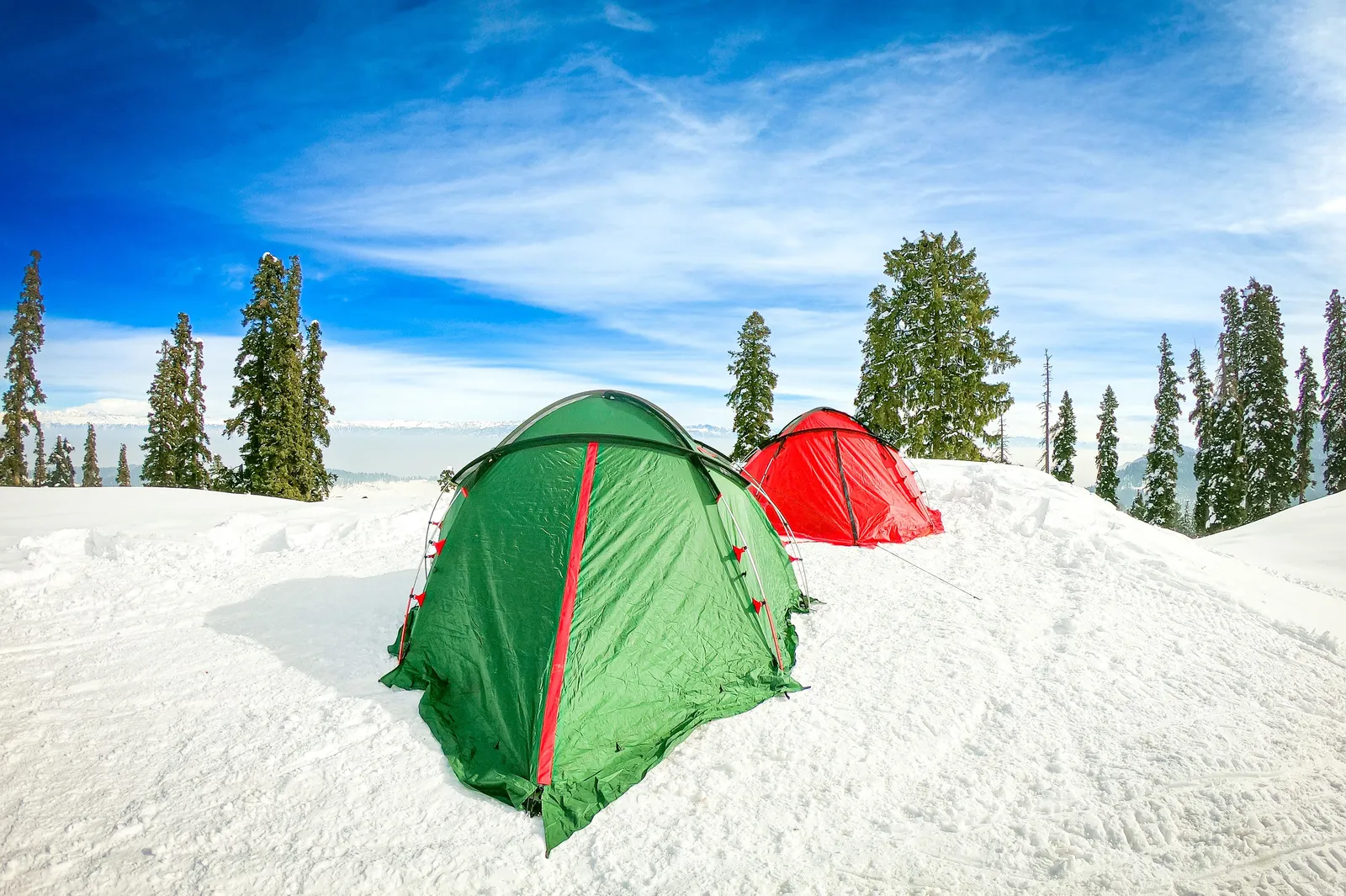
The Mr. Heater Portable Buddy is rated for indoor use in tents, trailers, truck caps and vans, and its own manual says never to run it while you sleep. Both owner’s manual editions we read, from 2009 and 2017, carry the same line in capitals: “NEVER OPERATE THE HEATER WHILE SLEEPING!” It’s a heater for the hours you’re awake.
What the manual allows
The 2017 manual calls the MH9BX “safe for indoor use in small recreational enclosures having means for providing combustion air and ventilation, such as enclosed porches, cabins, fishing huts, trailers, tent trailers, tents, truck caps and vans.” The conditions come with it:
- A vent area of at least 9 square inches. The manual’s example is a 3 by 3 inch opening.
- No use inside an enclosure that doesn’t have a window or roof vent.
- No other fuel-burning appliances running inside at the same time.
- Not in a moving vehicle.
- A 20-pound tank only if the tank stays outdoors and feeds the heater through one of the hoses the manual names. “NEVER bring a refillable propane cylinder indoors.”
The heater has an oxygen depletion sensor. Mr. Heater describes it as a device that “senses the amount of oxygen” and shuts the heater off below a set level. Nothing in that description says it measures carbon monoxide. The manual’s own warning: “Early signs of carbon monoxide poisoning resemble the flu, with headache, dizziness and/or nausea.”
What a cylinder buys you
Mr. Heater’s product page lists 0.099 gallons an hour on HI (9,000 BTU/h) and 0.044 on LO (4,000 BTU/h). A 1-pound cylinder runs 3 hours on HI and 6 on LO. A 4-hour evening on LO comes to about 0.18 gallons.
The manual adds two catches for winter camping. Run times “can be significantly reduced when operating continuously at temperatures below 20ºF,” and it recommends a 20-pound tank in that cold. Above 7,000 feet, “the heater may shut off,” and after fresh air and a 5-minute wait it may not relight.
Where the manual and the marketing part ways
The product page lists “Tents” and “Campers” among the uses. That’s true for an evening with a vent open. It isn’t true for the night. The CPSC says the same: “Do not use portable heaters or lanterns while sleeping in enclosed areas such as tents, campers, and other vehicles,” and adds that this “is especially important at high altitudes.” Its 2024 safety alert counts at least 12 deaths from carbon monoxide associated with camping equipment since 2020, “including grills, lanterns and stoves.”
A gap in what we read: the link to the 2020 US manual on Mr. Heater’s Buddy manuals page returned a 404 on November 4, 2026, so the two editions above are retailer-hosted copies. The sleeping line appears in both.
What to do
- Run the Buddy while you’re awake, with the 9-square-inch vent open. Shut it off before you sleep.
- Put a battery CO alarm inside anything with a flame burning in it.
- Above 7,000 feet, expect shutoffs and plan for heat that doesn’t burn anything.
- For overnight heat, a sleeping bag rated below the overnight low does the job with no combustion. If you run an RV furnace instead, our furnace math shows the battery is the limit, not the propane.
More gear we’ve checked against its spec sheet is on the gear hub.
Sources
- Mr. Heater, MH9BX Portable Buddy Heater product page and specifications, read November 4, 2026
- Mr. Heater, MH9BX Portable Buddy Operating Instructions and Owner's Manual (2017 edition, model # 2017-32045-CB), retailer-hosted copy, read November 4, 2026
- Mr. Heater, MH9BX Operating Instructions and Owner's Manual (2009 edition, 32030), retailer-hosted copy, read November 4, 2026
- Mr. Heater, Buddy Family manuals page (2020 US manual link returned 404), read November 4, 2026
- Mr. Heater, General Product Info (what an ODS is), read November 4, 2026
- U.S. Consumer Product Safety Commission, Portable Heaters and Camping Equipment, read November 4, 2026
- CPSC Safety Alert 5008, Carbon Monoxide Poisoning Hazard with Camping Equipment (052024), read November 4, 2026