


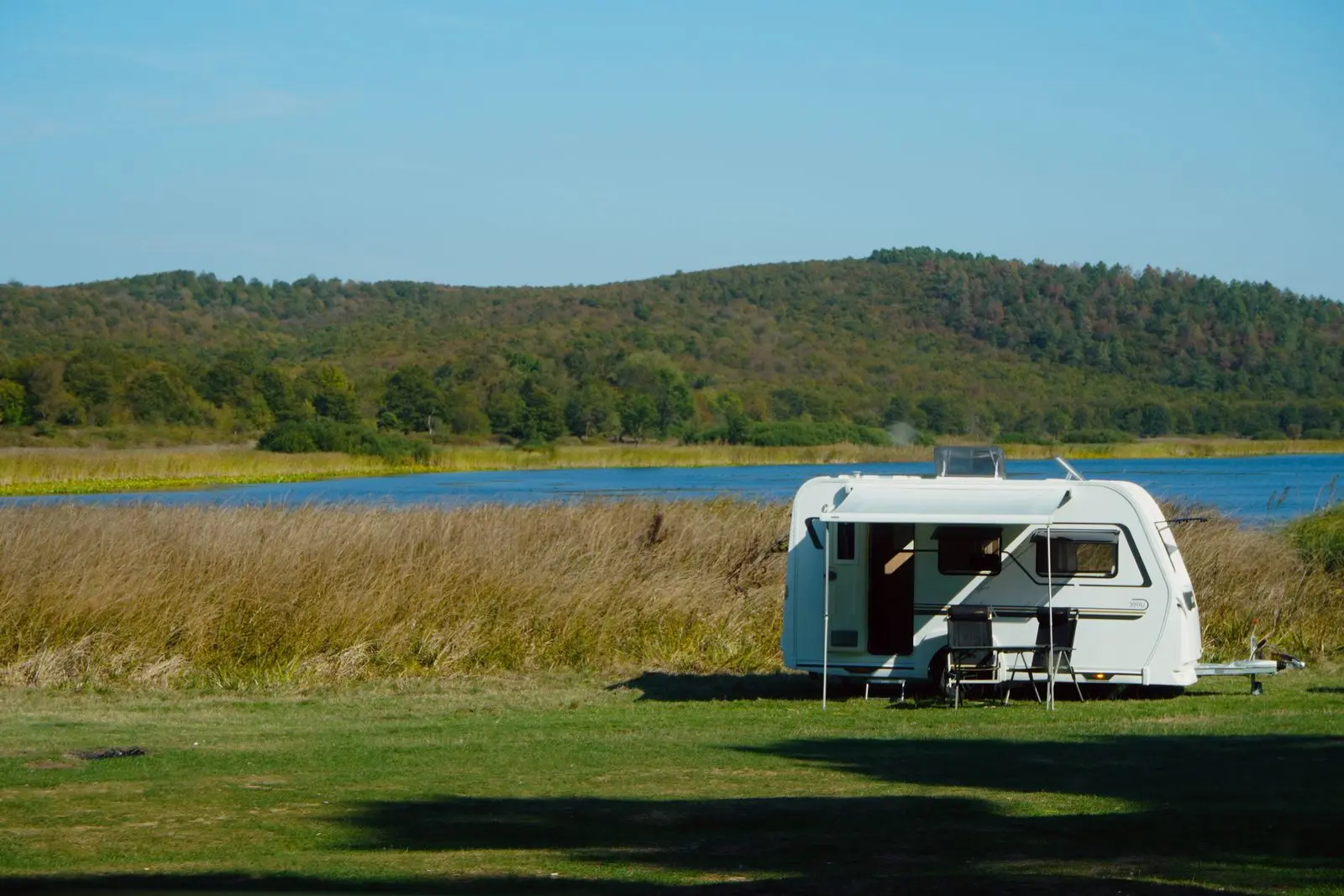
The Corps of Engineers 14-day camping limit is per lake, not per campground. That is the number most people get wrong, and it is the reason a ranger can tell you to move even though you have only been at your current site four nights.
The rule is 36 CFR 327.7, verified today. It says no one may camp at “one or more campsites at any one water resource project for a period longer than 14 days during any 30-consecutive-day period” without written permission from the District Commander. Read the language: “one or more campsites” at “one water resource project.” Every campground around the same reservoir counts against the same 14.
Why this matters
A big Corps lake often has half a dozen campgrounds run by the same district: some fee, some primitive, some walk-in tent, some full-hookup. On BLM you can usually roll from one dispersed pull-off to another with the timer reset by distance. On Corps land you cannot. The 14 count follows you across the whole project.
If you are chasing a long summer stay at a Corps lake, plan on 14 nights, then a break of at least 16 nights before you can return to the same lake. Or you plan a route that hops between water projects, which usually means driving off the lake entirely.
Two other rules on the same page
The same section, 36 CFR 327.7, makes two other things illegal that people do all the time. First, leaving equipment at a campsite to hold it. The rule prohibits “placing camping equipment at a campsite or appearing to reserve it for future use without daily occupancy.” A tent chair holding your table is a citation waiting to happen. Second, digging, leveling ground, or constructing anything at a site without written permission. If you drove out planning to level a spot for your rig, the answer is no.
What the CFR does not tell you
36 CFR 327 does not decide whether overnight parking is allowed at day-use areas. That call is made by the District Commander project by project, and 36 CFR 327.2 tells you the mechanism: “Vehicles shall not be parked in violation of posted restrictions.” So the answer at any particular boat ramp is on the sign there, not in any general federal policy. Some Corps projects post overnight allowances at the launch and some post it prohibited, and there is no shortcut to knowing which without reading the sign.
Fees, too, are project-level. There is no universal Corps camping fee schedule; each district publishes its own, and the number changes.
Before you go
Pull the district’s project page for the specific lake or river you are heading to. Check the campground list, note that it is all one 14-day bucket, and read the current fee. The district page will name any posted overnight-parking policy at day-use sites. If it does not, treat overnight parking there as prohibited until a sign says otherwise. Our Army Corps of Engineers guide has more on how the system fits alongside BLM and Forest Service dispersed camping.