


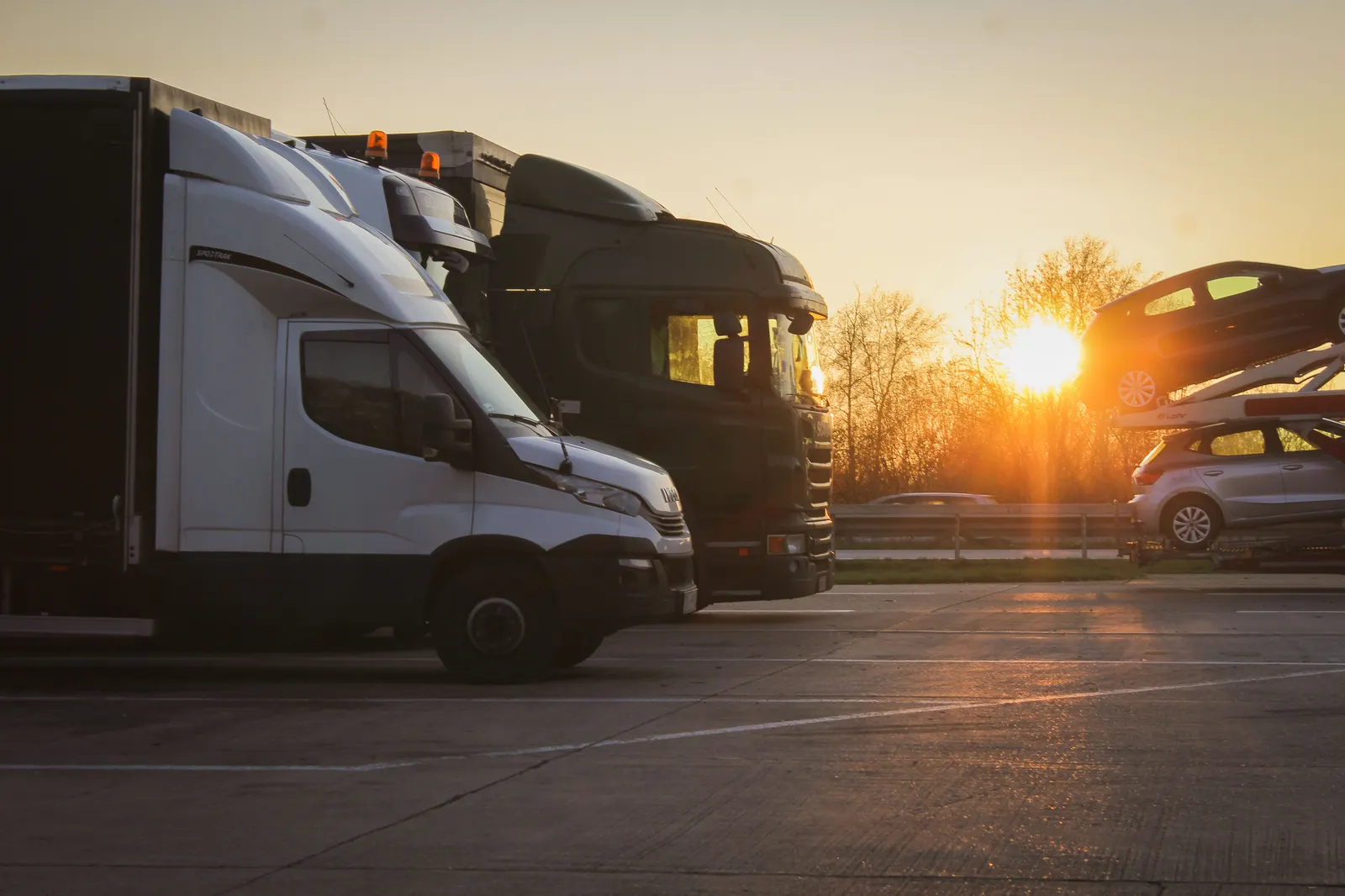
For any state that publishes a rest area policy we could verify, the answer is the same: no tents. Rest areas are built for a vehicle stop, and the rules that let you nap in your car do not let you camp on the ground next to it.
Where we could not find an official policy, we do not know, and neither should you. Read the sign at the site before you set up.
What the states that do publish say
Florida is the shortest and clearest. Under the FDOT rest area Q and A, the general public may stay for “a period of three hours.” Commercial motor vehicle operators subject to federal hours-of-service rules get up to ten hours. Three hours is a nap in the car, not a tent.
Idaho gives you more room to sleep and still bans camping. The ITD rest area FAQ sets the limit at up to 10 consecutive hours at interstate rest areas and up to 16 hours at US and state highway rest areas, and prohibits “camping” as a listed activity. Plugging a vehicle or a camping device into an outlet is prohibited, and so is hooking hoses to water faucets. Sixteen hours is enough to sleep. It is not enough to set up camp.
Other states track the same shape when they publish anything at all: a short time limit measured in hours, and language that names camping as separate from stopping. Our per-state summaries live on our Rest area states directory, each linked to the source we used and the date we last verified it.
Where the answer is genuinely blank
Roughly half of state DOTs do not publish a rest area policy on a page we can point to. That is not a permission slip. It means the answer lives somewhere else: state administrative code, state patrol enforcement guidance, or a posted sign at the site itself. Read the sign, then read it again. The posted rule at your site is the rule that gets enforced, no matter what any website says.
Our current per-state confirmations live at /rest-areas/. If your state shows “not verified,” we could not find an official source. That is us being honest. It is not permission.
Why “no tents” is stricter than it sounds
A tent is an assertion that you have arrived. The rest area is designed for people who are still driving through. The distinction matters because:
- The written rule usually says “no camping.” A tent is the most literal form of camping.
- Time limits are set in hours, not days. Three or ten hours is not a night. Fifteen is not a stay.
- There is no fire, no water hookup, no bathhouse, no camp host to talk you out of a citation. There is a state trooper who patrols at 2 a.m.
If you need a tent-legal night for free or near-free, the honest options are dispersed camping on a nearby national forest or BLM land, a Corps of Engineers campground, a state park with walk-in sites, or a private site. Not a rest area.
What to do tonight
If you have a vehicle and can sleep in it, most states let you use a rest area for a short stop. Check the posted sign for the time limit and set an alarm. If you have a tent, drive on and find land where a tent is allowed. Twenty minutes of research on your phone is a lot cheaper than a citation, and a citation is cheaper than being wakened at 2 a.m. and told to pack up in the dark.
For the state-by-state view of what we could verify, start at /rest-areas/. The sign at the site still wins.