


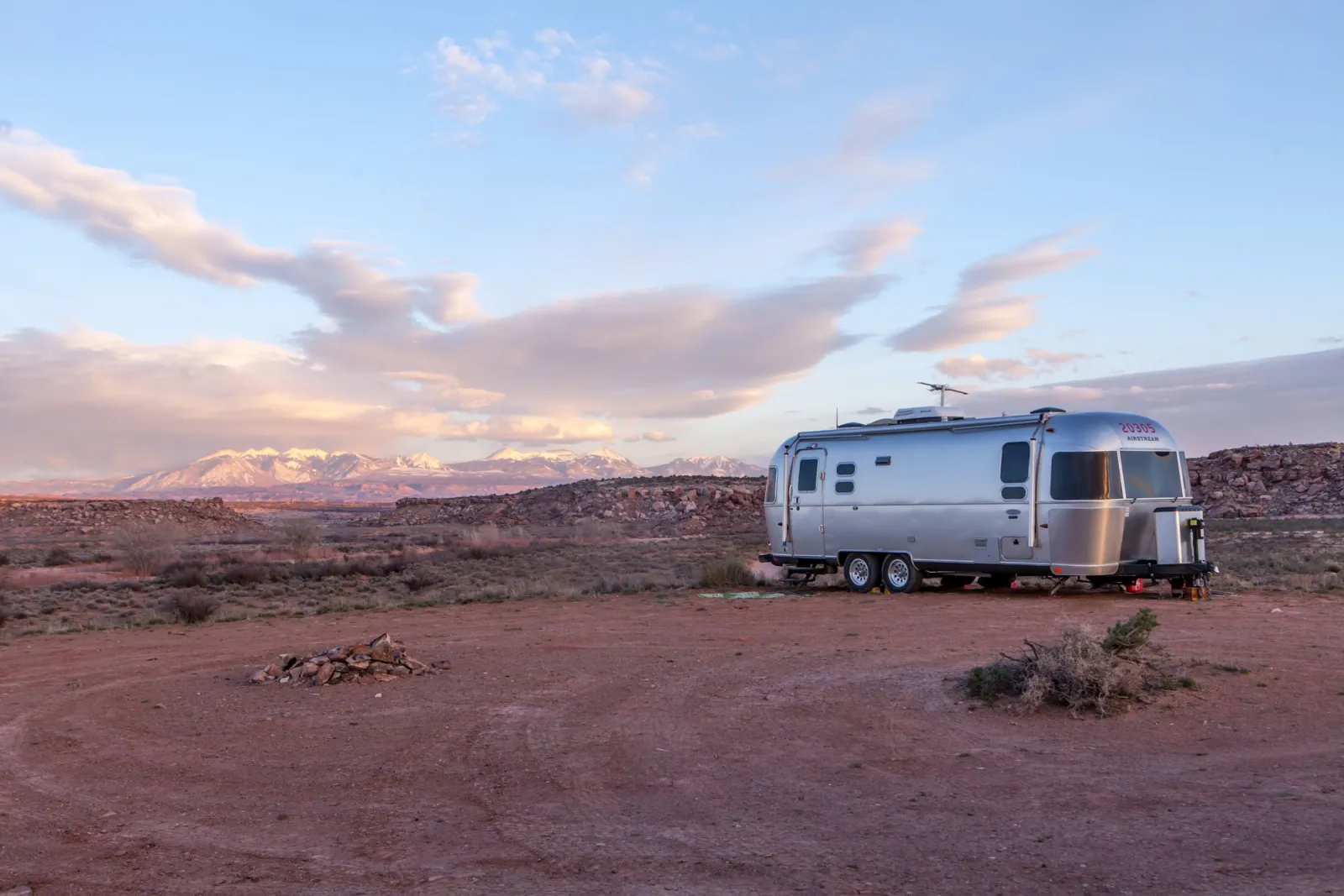
You can leave personal property unattended on BLM public land for 10 days. Not 14. After that, without written permission from the authorized officer, the property is subject to removal under 43 CFR 8365.1-2.
This is the rule that catches boondockers who conflate the 14-day camping limit with a 14-day everything limit. They are two different clocks measuring two different things, and one is stricter than the other.
What the regulation says
43 CFR 8365.1-2 is the BLM’s rules-of-conduct provision on occupancy and use. It prohibits, without authorization, leaving personal property unattended longer than 10 days on public lands in the contiguous United States, or 12 months in Alaska. It also prohibits camping longer than the period the authorized officer permits, which is where the 14-day pattern lives.
The 10-day and 14-day numbers sit in the same section, which is a big part of why people run them together. They are separate rules doing separate work.
The scenario that makes it matter
Say you are camping on BLM land in New Mexico and you want to backpack a five-day loop from your rig. That is fine: your truck sitting at the trailhead is unattended for five days, well under the limit.
Now stretch that trip. You start a longer route on day one of a two-week camping window and come back on day twelve. Your rig sat unattended for twelve days. You did not exceed a stay limit, because “camping” implies you were there, and for most of that time you were not. You did exceed the 10-day unattended property rule.
The same trap catches people at long-term sites. The BLM’s Midland LTVA page describes a permit that runs seven months, September 15 through April 15, and the seasonal permit lets you stay the whole season. What it does not do is authorize you to leave a rig on general BLM land for 10-plus days without you in it. If you park a fifth wheel at a boondocking site outside the LTVA and drive out for a two-week trip in the truck, the 10-day clock applies to what you left behind.
Attended versus unattended, in practice
The rule targets “unattended” property, which BLM does not define with a bright-line test. What we can say, from the regulation and how it reads in context, is that unattended means unoccupied. A rig you sleep in is attended. A rig you left for a few hours while running to town is attended. A rig you left three days ago to go see a friend in Phoenix is not.
If a ranger comes through and there is no one at the site and no evidence of someone returning soon, the site starts being treated as unattended. A note on the dashboard saying you will be back Tuesday is not a legal authorization, and it does not restart any clocks, but it is at least a signal to a ranger deciding whether to tag the vehicle.
If you plan to leave a rig for more than 10 days, the rule requires written permission from the authorized officer. That is a call to the field office, not a form on the website. Ask what documentation they need, whether they can extend the period, and get any authorization in writing before you drive out.
Why the disposal authority is real
Once the 10 days pass without authorization, 43 CFR 8365.1-2 makes the property subject to disposition under the Federal Property and Administrative Services Act of 1949. That is federal disposal authority: notice, tow, and eventually sale or destruction. The authority applies to a $5 folding chair and a $50,000 trailer alike. Whether a specific field office uses it aggressively is up to that office.
Do not count on ambiguity to protect you here. The BLM’s national camping page makes the same point plainly in its Leave No Trace framing: “Pack out all trash, food, and belongings.” The property expected to be there is you and your gear. Property expected not to be there for more than 10 days needs paperwork.
For the parallel rule on how long you can stay in one spot when you are actually camping, our BLM 14-day rule explainer covers the move-on distance and the local variations. For a general overview of BLM camping practice, start with the BLM camping national page and cross-check the field office that manages the ground you plan to be on.
The five-word version: attend your rig, or move it.